Technology
How Spatial Interfaces Are Moving From Demo to Daily Tool
Spatial computing becomes practical when three-dimensional views, voice, gaze and hand input remove a real obstacle instead of adding spectacle to a familiar screen task.
Clear reporting on phones, apps, AI tools, gadgets, cybersecurity, and the practical ideas reshaping how we live and work.
7 stories
Spatial computing becomes practical when three-dimensional views, voice, gaze and hand input remove a real obstacle instead of adding spectacle to a familiar screen task.
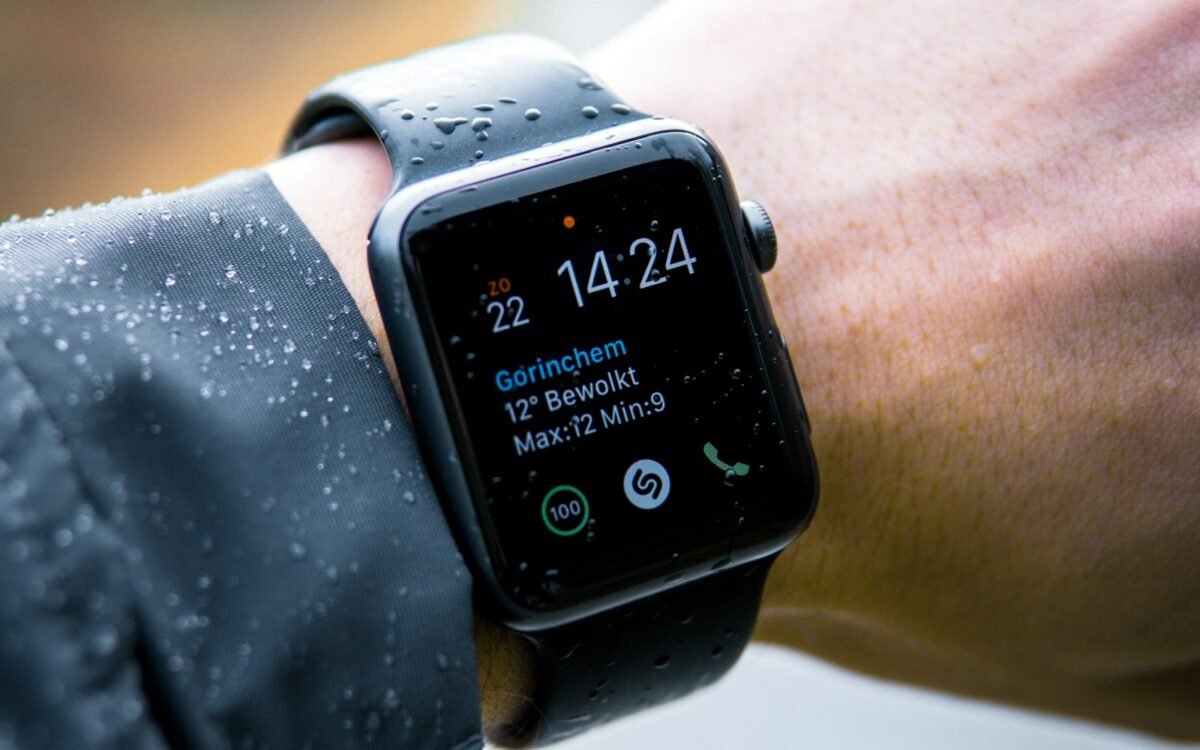
Smaller sensors are making wearables less like miniature phones and more like quiet instruments for context, health and accessibility, provided the data is useful, private and understandable.
Passkeys replace many password moments with cryptographic sign-in tied to an approved device or password manager, reducing phishing exposure while leaving recovery and account choice important.
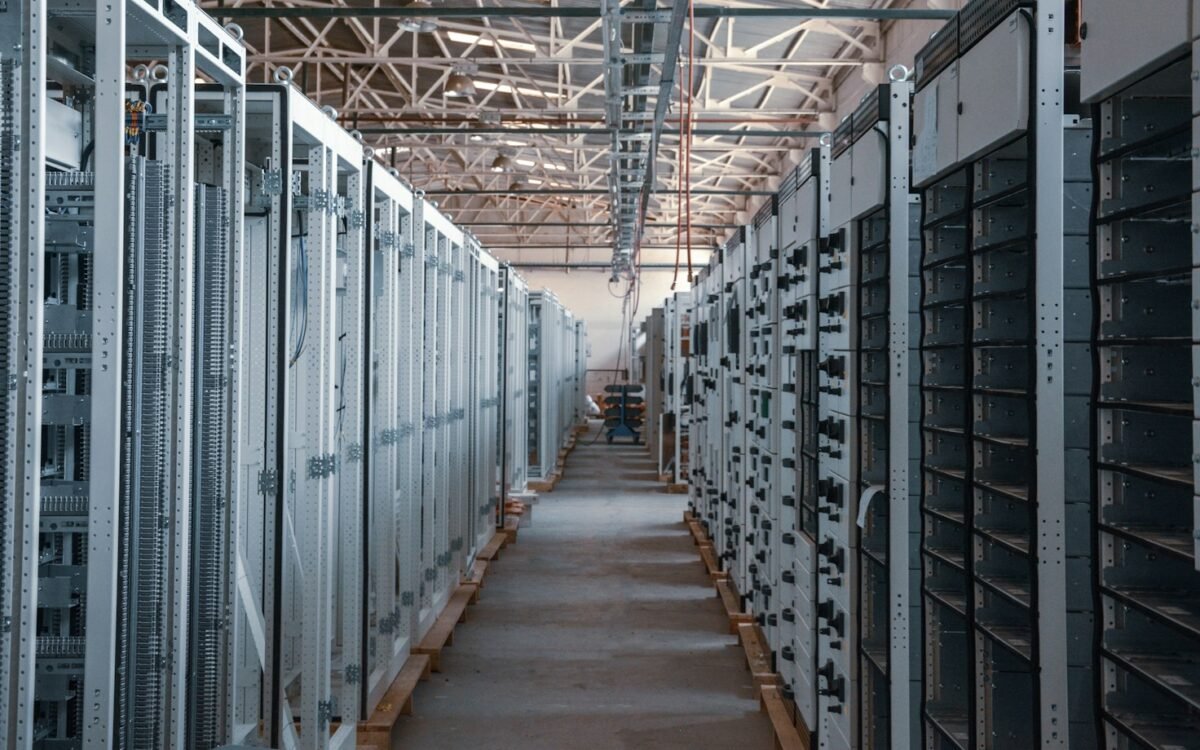
Data centers are being redesigned around power, cooling, utilisation and grid constraints, because lower cost and lower emissions depend on the whole facility rather than one piece of hardware.
After years of crowded interfaces and sprawling platforms, people are looking again for software that does a small job clearly, stays fast and respects the user's attention.
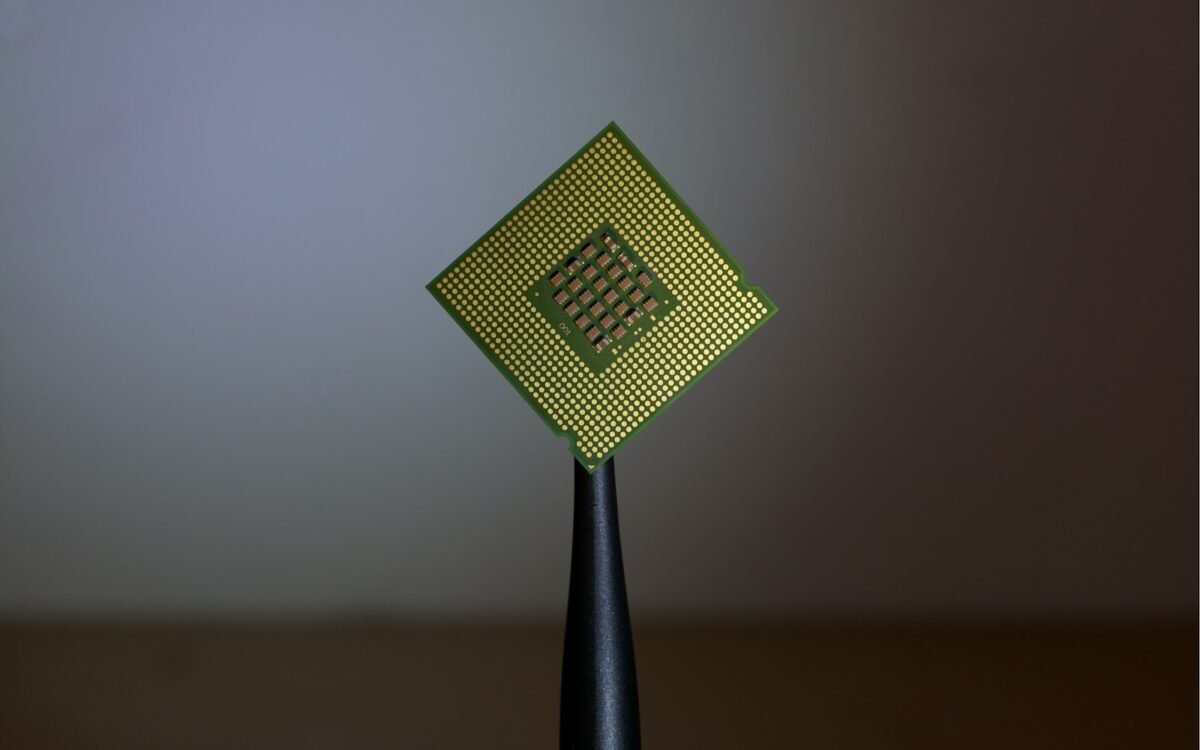
Running more AI directly on phones and computers can make assistance faster and more private, but the strongest products will combine local capability with careful limits and occasional cloud support.
The most consequential workplace technology is often less visible than a headline-making product: it connects routine systems, assists decisions and gives people better ways to check their work.
Get the latest stories, useful guides and ideas delivered to your inbox. One considered email, no clutter, unsubscribe any time.