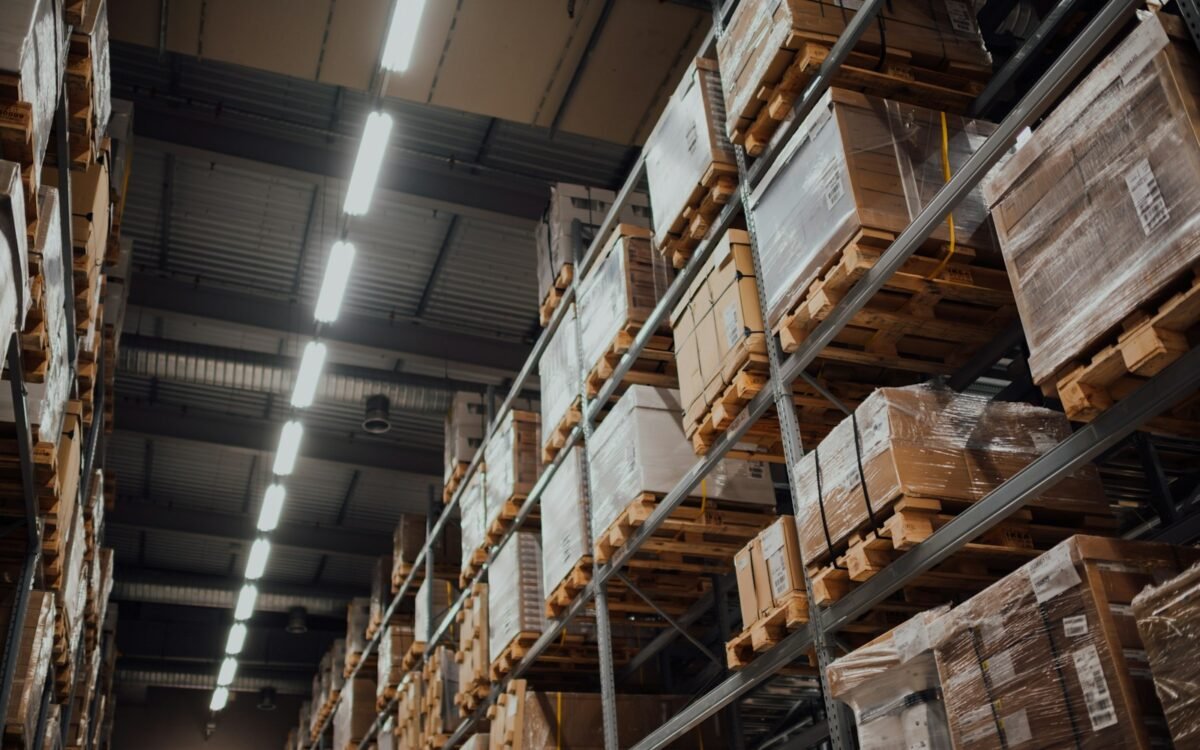
Supply Chains Are Getting Shorter, Smarter and More Local
Supply-chain resilience is moving beyond the shortest route or lowest unit cost toward a deliberate mix of visibility, qualified alternatives, local capability, and customer-level trade-offs.
How companies, founders, and teams are adapting to a fast-changing economy, from operations and management to customer decisions.
6 stories

Supply-chain resilience is moving beyond the shortest route or lowest unit cost toward a deliberate mix of visibility, qualified alternatives, local capability, and customer-level trade-offs.

Strong remote managers replace visibility with clarity: they define outcomes, create deliberate communication, notice friction early, and give people room to do focused work.
A one-person company can combine specialist work with software and trusted partners, but its resilience depends on boundaries, repeatable systems, and a realistic view of capacity.
As customers question recurring charges, product teams are moving from subscription by default toward clearer value, better control, and payment models that match how people use an offer.
The four-day week is not a universal productivity shortcut. The evidence points to a redesign challenge: define the outcome, remove low-value work, and test whether performance holds without hidden intensity.
Small businesses are responding to an unsettled economy by tightening cash discipline, simplifying offers, and building operating choices that keep the next decision reversible.
Get the latest stories, useful guides and ideas delivered to your inbox. One considered email, no clutter, unsubscribe any time.