Supply Chains Are Getting Shorter, Smarter and More Local
Supply-chain resilience is moving beyond the shortest route or lowest unit cost toward a deliberate mix of visibility, qualified alternatives, local capability, and customer-level trade-offs.

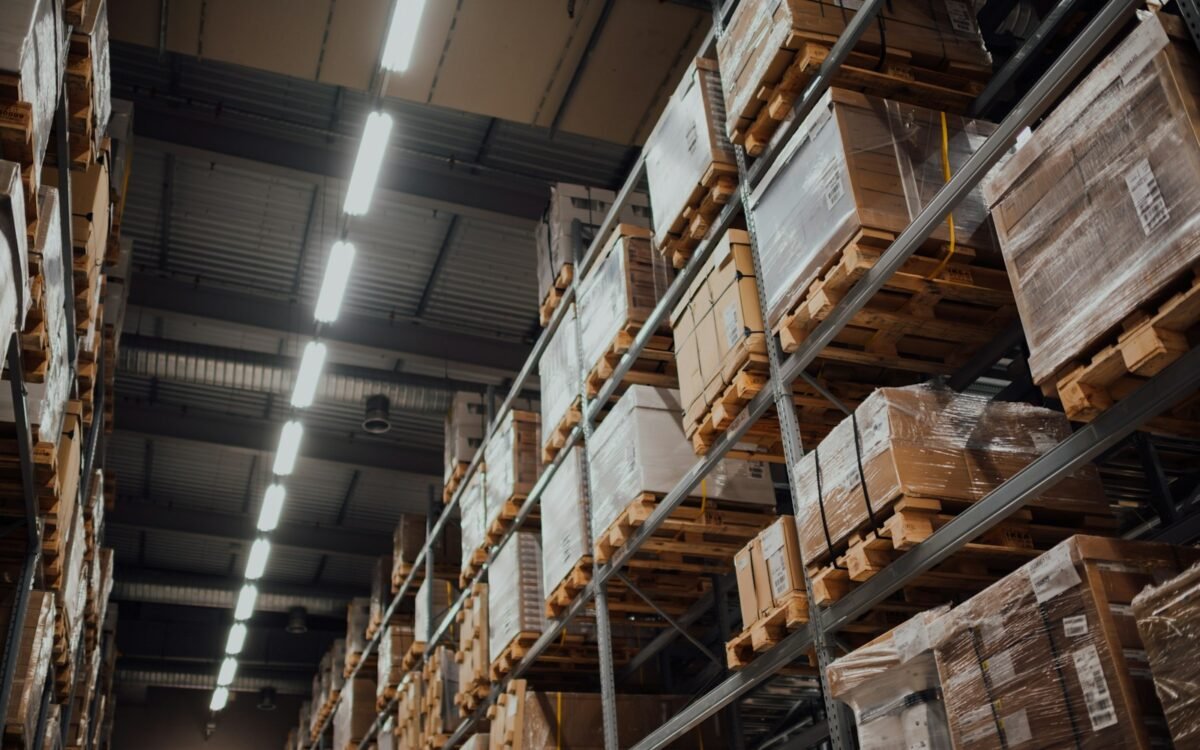
A product can be ready for dispatch and still be unable to leave the warehouse because one modest component is missing. The missing item may have a long journey behind it, several handoffs, and no practical substitute approved by the business. That single gap reveals why supply-chain strategy is changing: distance is only one part of risk, and a low purchase price is not the same as a low total cost.
Companies are responding by shortening some routes, adding regional suppliers, improving inventory information, and using data to see problems earlier. The shift is not a simple retreat from global trade. Many products still depend on specialist capabilities spread across countries. The more realistic change is a move toward designed networks: fewer blind dependencies, clearer alternatives, and a better understanding of what must be close to the customer.
A resilient chain is not the one with the most stock or the most suppliers. It is the one whose choices match the consequence of disruption.
Map the dependency behind the purchase order
Start with the items and services that can stop delivery, damage quality, or create a safety or compliance problem. Trace beyond the immediate supplier where possible. Identify the manufacturing step, material, software dependency, transport leg, approval, and document that the final product relies on. A supplier list is not the same as a dependency map.
Rank dependencies by consequence and time to recover. A routine packaging item may be replaceable quickly, while a specialised component may require testing, certification, or a long production queue. The ranking should reflect the customer promise. An item that is cheap but capable of stopping the entire operation deserves attention.
Review the map with people who know the work. Procurement may know price and terms, while operations knows which substitute creates rework and sales knows which delay would damage a key relationship. Combining those views prevents resilience from becoming a spreadsheet exercise detached from delivery.
Shorten the routes that carry the most risk
Local or regional sourcing can reduce transit time, simplify communication, and make a problem easier to inspect. It can also raise purchase prices, reduce available volume, or move risk into a smaller supplier with less capacity. The right question is not whether local is always better. It is where proximity creates enough value to justify the trade-off.
Use proximity selectively. Critical, time-sensitive, customised, or difficult-to-substitute inputs may deserve a nearby option. Predictable, standardised items may remain efficient in a broader network if the business has visibility and an approved alternative. Segmenting the chain is more useful than applying one sourcing philosophy to every item.
When adding a regional supplier, qualify more than the quoted price. Check capacity, quality controls, lead times, financial resilience, ownership of tooling or data, and the ability to communicate during an exception. A local supplier that cannot deliver consistently is not a resilience plan; it is an untested assumption.
Make the comparison on total exposure, not on unit cost alone. Include freight, minimum orders, quality checks, working capital, emergency transport, delay penalties, and the value of keeping a customer promise. A nearby option may be worthwhile even when its invoice price is higher, while a distant option may remain sensible when its risk is understood and managed.
The smartest supply chain is not the shortest one. It is the one that makes important dependencies visible and gives the business a credible next move.
Use information to make inventory more deliberate
Inventory can buffer disruption, but it also ties up cash, takes space, and can become obsolete. Set stock decisions by consequence, demand pattern, replenishment time, and substitute availability. Do not let a broad safety-stock rule hide the fact that some items are far more important than others.
Improve the signals that support the decision. Keep item descriptions, units, lead times, order minimums, supplier contacts, and revision status accurate. Track changes in promised dates and partial deliveries rather than waiting for a missed shipment to reveal a problem. A simple exception list reviewed by the right people can be more useful than a dashboard nobody acts on.
Work with customers on the trade-offs when appropriate. A different finish, delivery window, pack size, or product configuration may protect availability. Those changes need clear approval and communication. Substitution is a commercial decision as well as an operational one.
Build relationships that improve recovery
Resilience is easier when suppliers receive useful information and know how problems will be handled. Share realistic forecasts, define escalation routes, agree on what counts as an urgent issue, and review the relationship after an exception. The goal is not to pretend that a forecast will be perfect. It is to give partners enough context to make good decisions earlier.
Consider dual sourcing where the consequence justifies the work, but do not confuse two names on a spreadsheet with two working options. The second source should be tested, documented, and kept capable enough to respond. A small ongoing order, periodic quality check, or joint exercise may be necessary to keep the alternative real.
Run disruption exercises for the dependencies that matter most. Ask what happens if a supplier cannot ship, a transport route closes, a key machine fails, or a specification changes. Give the team a short decision tree: who is informed, what is protected first, which substitute is approved, and when the customer is told. Rehearsal turns a surprising event into a managed sequence.
Supply chains are becoming more local and more digital in selective ways, not because geography alone solves risk, but because businesses are learning to value visibility and recovery. The strategic task is to combine cost discipline with enough choice to keep the customer promise when one route, supplier, or assumption breaks.
Key takeaways
- Map dependencies beyond the immediate supplier.
- Use local capacity selectively where proximity lowers risk.
- Test alternatives before a disruption makes them urgent.