Inside the Race to Build Cheaper, Cleaner Data Centers
Data centers are being redesigned around power, cooling, utilisation and grid constraints, because lower cost and lower emissions depend on the whole facility rather than one piece of hardware.

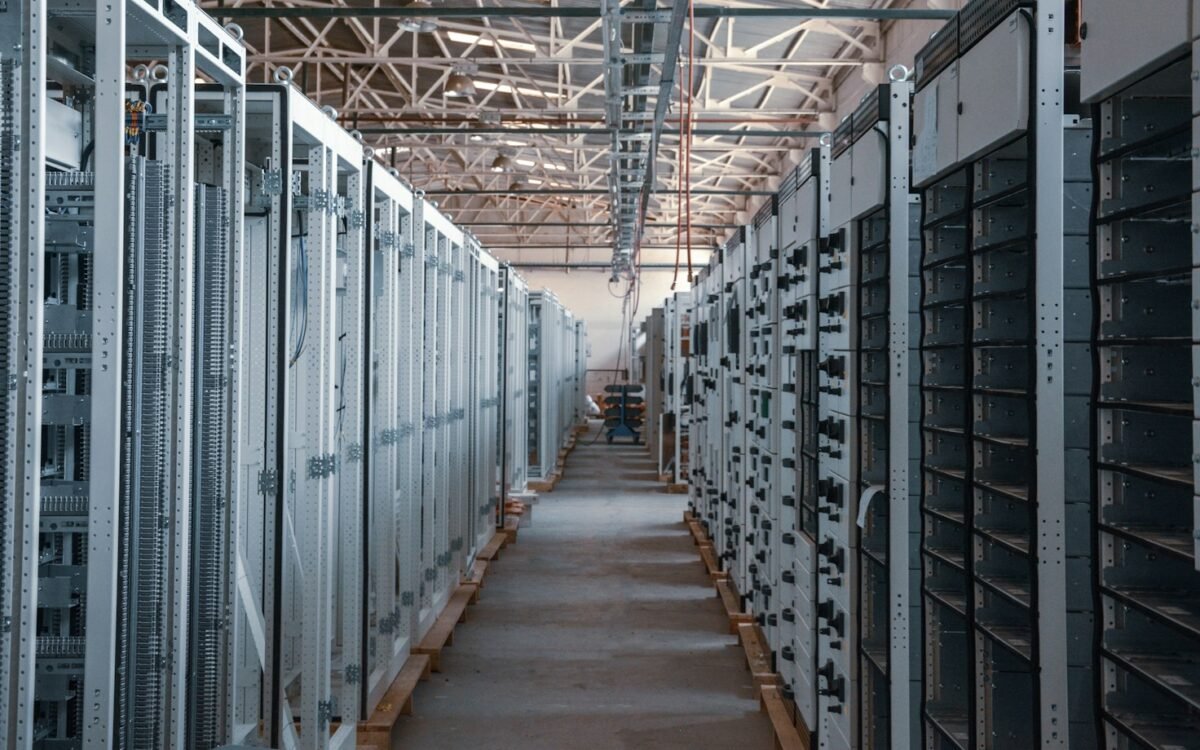
In a data center, a software request becomes a physical event. Servers draw electricity, processors release heat, fans or pumps move that heat, and power equipment converts and distributes energy before the result reaches a network connection. When demand grows, the operator must find more capacity while keeping the facility reliable, affordable and acceptable to the surrounding grid and community.
The current race is often described as a race for faster chips. It is also a race to use every part of a facility more intelligently. A server that sits idle still occupies space and may consume power. A cooling system designed for an older generation of hardware may waste energy or limit how densely equipment can be placed. A site with access to low-carbon electricity may still face difficulty if its demand arrives at the wrong time.
There is no single technology that makes a data center clean. Progress comes from a chain of decisions about workload placement, hardware life, cooling, electricity, water, construction and end-of-life handling. Those decisions must be revisited as demand and local conditions change.
Cost begins with utilisation
The first efficiency question is whether the installed equipment is doing useful work. Capacity is purchased for peaks, maintenance and resilience, so complete utilisation is neither possible nor always desirable. Still, poorly sized systems can leave processors, storage and networking underused while the facility continues to pay for their power and floor space.
Software teams can help by measuring demand and matching it to the right class of hardware. A batch task that can run later does not need the same placement as an interactive service. A workload that needs predictable response may justify reserved capacity, while a flexible analysis job may move to a time or location with better availability. Scheduling is an operational choice with an energy consequence.
Efficiency metrics need context. A facility can reduce energy per computation while total demand rises because more computing is being performed. Operators should track the service delivered, the resources used and the reliability maintained. A low number that ignores backup capacity or water use can create a misleading picture of improvement.
Cooling is becoming an engineering priority
Nearly all electricity used by computing equipment eventually becomes heat. Air cooling remains useful and familiar, but higher-density systems can make airflow harder to manage. Hot and cold aisle arrangements, careful sealing, variable-speed fans and better monitoring can reduce unnecessary cooling work without changing the computing hardware.
Liquid cooling is another route for particular high-density environments. Liquid can carry heat more effectively than air close to the source, but a new cooling method brings pumps, plumbing, maintenance procedures and questions about water, leaks and equipment compatibility. It is not automatically the best choice for every rack. The design must fit the hardware and the operating team.
Waste heat is also receiving more attention. In the right location, heat may support a nearby building or industrial process. That possibility depends on temperature, distance, seasonal demand and a willing partner. A useful heat-recovery project is a system relationship, not a slogan attached to a facility brochure.
Cleaner electricity requires timing
Choosing renewable electricity or contracting for clean generation can reduce the emissions associated with computing, but the result depends on what the agreement represents and when power is available. A facility that consumes electricity around the clock interacts with a grid whose mix changes by hour and season. Matching flexible workloads to cleaner periods can complement longer-term procurement.
Location matters too. A site may have excellent access to low-carbon generation but limited transmission, water or community capacity. Another site may have a stronger grid connection but a more carbon-intensive power mix. Responsible planning considers the local system rather than treating a certificate or a distant project as a complete answer.
Water deserves the same care. Some cooling designs use water directly or rely on conditions that affect consumption. Operators should disclose the relevant boundary, consider local scarcity and avoid comparing facilities using only one resource. Reducing electricity while increasing pressure on a stressed water source is not a complete sustainability strategy.
New architecture brings new tradeoffs
Specialised processors can perform certain workloads more efficiently than general-purpose systems, but they may have shorter useful lives or narrower uses. Modular systems can make upgrades easier, while proprietary designs can complicate repair and reuse. Software optimisation can reduce the hardware required for a task, yet an optimisation that depends on one supplier may increase lock-in.
The cleanest equipment is often the equipment that remains useful. Extending server life, replacing failed components rather than whole systems and recovering valuable materials can avoid some of the impacts of manufacturing. Those choices require spare parts, documentation, secure data erasure and a market for refurbished equipment. A facility should plan for the second life of its hardware before the first installation.
Transparency is part of the race. Customers, regulators and nearby communities need enough information to understand energy, water, noise, construction and emergency-power decisions. The details will vary by site, but vague claims make it harder to distinguish an efficient design from an efficient-sounding one.
A cleaner data center is not defined by a single impressive component; it is defined by how honestly the whole system accounts for power, heat, water and useful work.
Cheaper and cleaner computing can advance together, but neither goal is automatic. The winning data centers will be those that coordinate software, hardware and infrastructure instead of asking one innovation to carry the entire burden.
Key takeaways
- Measure useful computing alongside energy, cooling, water and resilience.
- Treat cooling and workload timing as central design choices, not facility afterthoughts.
- Extend hardware life and disclose tradeoffs rather than relying on one sustainability claim.