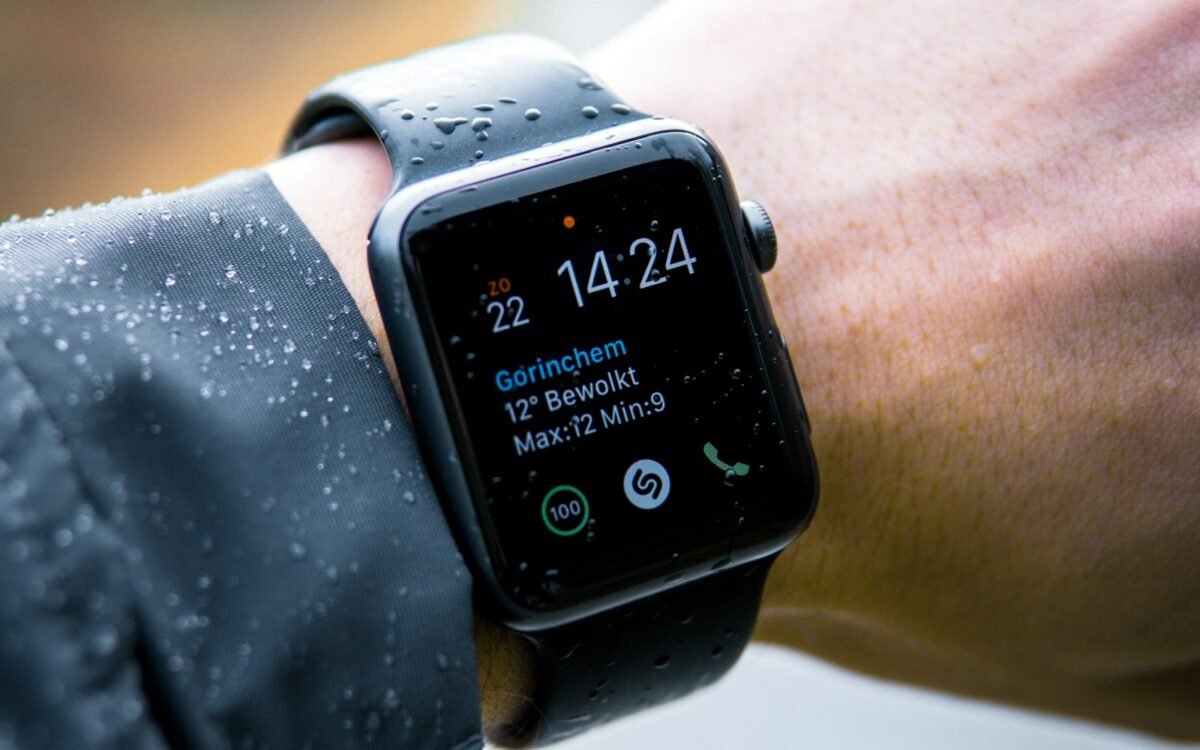
Why On-Device AI Is the Next Big Shift in Personal Computing
Running more AI directly on phones and computers can make assistance faster and more private, but the strongest products will combine local capability with careful limits and occasional cloud support.

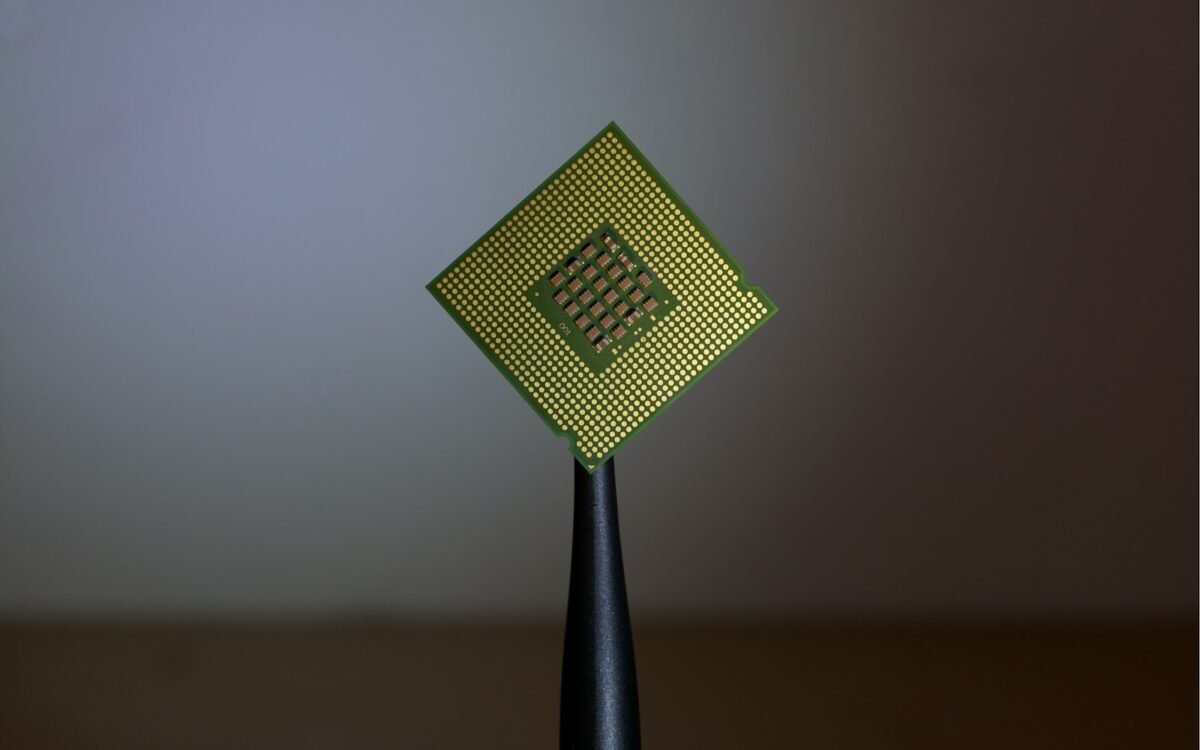
A phone camera can recognise a document, remove a distraction from a picture or sort a voice recording without waiting for a remote service to answer. The experience feels ordinary when it works, yet it represents a meaningful change in personal computing: part of the intelligence is running close to the person and the device. The same shift is appearing in laptops, tablets, cars and other products with specialised chips for machine-learning tasks.
On-device AI is not a promise that every model will live entirely inside a handset. It is a design choice about where a particular task should happen. A small model may handle speech wake-up, image enhancement or text suggestions locally, while a larger model in a data centre handles a request that needs more context. The important change is that the device can do more useful work before it asks the network for help.
That matters because personal computing is shaped by interruptions. A tool that responds instantly and remains useful on a train, in a basement or during a network outage can feel more capable than a theoretically larger system that is always waiting for a connection.
What "on-device" actually means
Modern devices increasingly include dedicated processing for neural-network operations. These components can perform certain calculations efficiently while the main processor handles other work. Software can use them to run a model that has been compressed, quantised or otherwise adapted to the device's memory, battery and thermal limits.
Local processing can take several forms. A device may analyse an image as it is captured, transcribe audio after a meeting or predict the next word while someone types. It may also create a local index so that search can find information stored on the device. None of these uses requires a general-purpose artificial mind. They require a model that is good enough at a defined task and a product that explains what is being processed.
The phrase can still be used loosely. Some products perform a first step locally and send the rest to the cloud. That hybrid arrangement can be sensible, especially when a request needs a larger model, but the user should not have to guess which data leaves the device. Clear settings and plain-language notices are part of the feature.
Privacy and responsiveness change the experience
Keeping more raw material on a device can reduce the need to transmit it. A voice command, a private photo or a draft message may be analysed locally without becoming a record on a remote server. Local processing does not automatically guarantee privacy: applications can still collect results, metadata or backups. It does, however, give product designers another way to reduce exposure.
Latency is just as important. A local function can respond without a round trip to a server, which makes it useful for accessibility features, live camera tools and interfaces that need to keep up with a person. It can also make a device feel more dependable when the network is congested or unavailable. Reliability is not glamorous, but it is one of the strongest reasons to put intelligence near the user.
There is a social benefit as well. An accessibility aid that processes speech or images locally can be easier to use in places where people do not want to announce that a service is listening or uploading. The design still needs consent, visible status and a quick way to pause the feature.
The limits are real
Local models have finite resources. A larger model consumes more storage and may draw more power or generate more heat. Intensive processing can shorten battery life, and a device that becomes warm or slow may discourage people from using the feature. Designers must choose what deserves local intelligence rather than placing a model everywhere.
Quality can also vary. A small model may misunderstand an unusual accent, a specialised term or a complicated request. Updates can improve behaviour, but they introduce another question: how long will the manufacturer support the model, and can an owner tell when its behaviour has changed? Software support is part of the product, not a detail that begins after the sale.
Hybrid systems bring their own tradeoffs. Sending difficult cases to the cloud can improve results, yet it adds network dependency, operating cost and a different privacy boundary. A good system says when it is switching modes, avoids transmitting more than necessary and fails gracefully instead of pretending that local and remote results are identical.
What buyers should look for
Marketing language about an AI-ready computer is less useful than a clear description of tasks. Does the feature work offline? Which data is processed locally? Can a person delete the local index? How long will security and model updates continue? Are there controls for sensitive documents, microphone access and image analysis? Straight answers are more valuable than a generic claim about a processor.
Buyers should also consider repairability and ordinary performance. A specialised chip cannot compensate for poor battery replacement options, weak software support or a device that is difficult to maintain. On-device AI will be most useful when it becomes a durable layer of computing rather than a reason to replace a perfectly serviceable machine.
The best local AI feature is not the one that sounds most intelligent; it is the one that helps at the right moment without demanding more information than the task requires.
On-device AI is likely to spread through small conveniences before it changes the shape of a computer. Its success will depend on restraint: local when speed and privacy matter, remote when capability requires it, and transparent whenever the boundary moves.
Key takeaways
- On-device AI means selected tasks run locally, often alongside optional cloud processing.
- Local processing can improve responsiveness and reduce data exposure but does not guarantee privacy.
- Judge AI hardware by supported tasks, controls, update life and repairability.