The Wearables Worth Watching as Sensors Get Smaller
Smaller sensors are making wearables less like miniature phones and more like quiet instruments for context, health and accessibility, provided the data is useful, private and understandable.

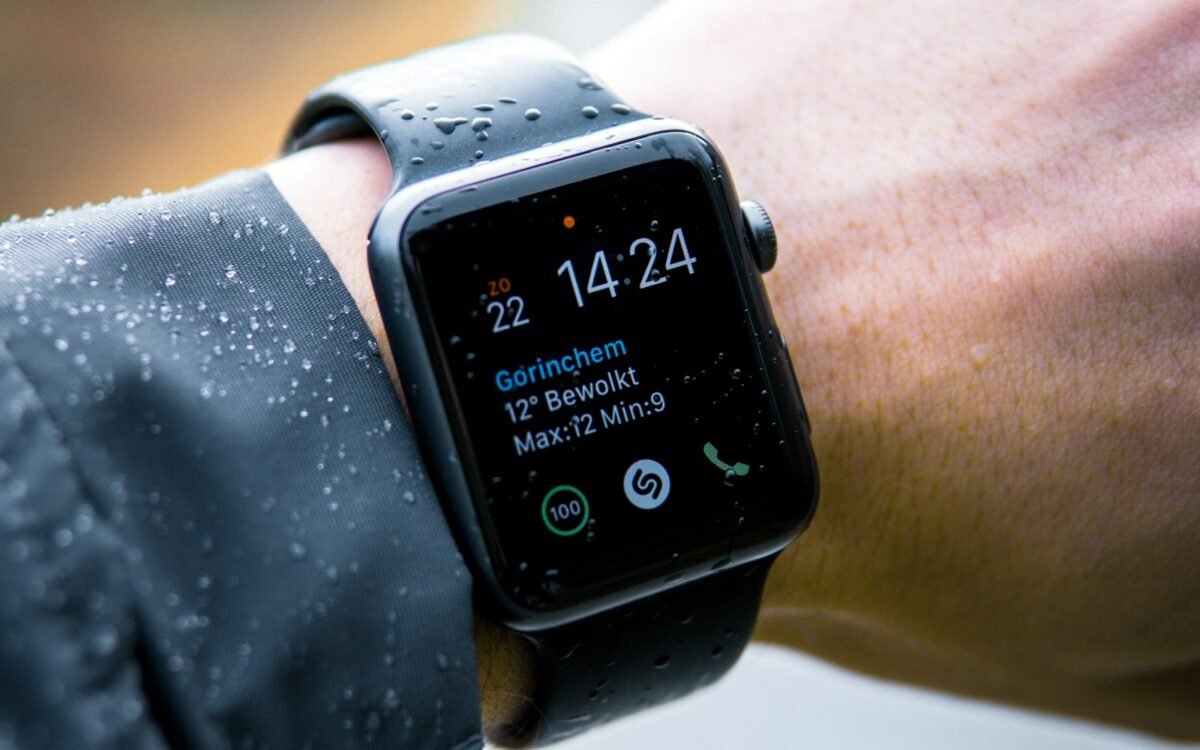
A wearable can notice a change that a person would not think to record: a shift in movement, a period of elevated pulse, a fall in skin temperature or the start of a repeated routine. The value is not in producing a stream of numbers. It is in turning a small measurement into a timely prompt, a clearer conversation with a clinician or a better understanding of how a person moves through a day.
As sensors become smaller and more efficient, they can fit into rings, glasses, patches, earbuds, clothing and equipment that does not look like a computer. That expansion creates new possibilities, but it also raises the standard for usefulness. A sensor that is always present must justify the data it collects, explain its limits and avoid presenting a rough estimate as a diagnosis.
The most interesting wearables are therefore not necessarily the ones with the longest list of measurements. They are the ones that connect a specific signal to a decision a person can make.
Smaller sensors improve context
Miniaturisation can make a device more comfortable, less distracting and easier to place close to the body or an object being observed. A ring may collect signals during sleep without a bright screen. Glasses can place a visual prompt where it is needed. A patch can observe a condition over a period when a handheld check would be easy to forget.
Placement changes the meaning of a measurement. A sensor on the wrist is not measuring exactly what a sensor near the chest, ear or skin surface measures. Algorithms may combine several signals to estimate an activity or state, but the result remains an estimate shaped by the device, fit, movement and individual differences. Product language should preserve that distinction.
Context also reduces false alarms. A heart-rate change during exercise has a different interpretation from a similar change during rest. A motion pattern may indicate a routine for one person and an injury for another. Wearables become more helpful when they let users record context or combine signals without pretending that a single number explains the whole event.
Health uses need careful boundaries
Consumer wearables can support awareness of sleep, activity, movement and other patterns. They may help a person notice a change worth discussing with a qualified professional. Some devices and features are evaluated or authorised for narrower medical purposes, but a general wellness feature should not be treated as a clinical instrument simply because it uses a health-related term.
People should ask what a measurement means, how it was validated and what action the product expects after an unusual result. A notification that encourages rest is different from a claim that a person has a condition. Clear instructions can prevent both false reassurance and unnecessary alarm.
Clinicians also need usable data, not an unfiltered archive. If a person brings a trend to an appointment, the useful questions include when the device was worn, whether its fit changed and what was happening at the time. The wearable can add context to a conversation, but it does not remove the need for examination and professional judgment.
Wearables are becoming interfaces
The next wave may be defined as much by interaction as by sensing. A device can vibrate a discreet alert, adapt a hearing setting, translate a short phrase or provide navigation without asking someone to look at a phone. For people with particular accessibility needs, a small signal can be more useful than a general-purpose screen.
Glasses and earbuds are especially interesting because they already occupy familiar positions. Adding microphones, cameras or displays can make them useful, but it also changes the social contract. People nearby need a reasonable way to understand when recording or analysis is active. An indicator that is hard to see or easy to ignore will not resolve that concern.
Clothing and workplace equipment may use sensors without presenting a personal interface at all. That can improve safety or ergonomics, but it can also blur the line between assistance and monitoring. A responsible deployment states the purpose, limits access and avoids turning a convenient signal into a hidden performance score.
Privacy and battery life decide adoption
Wearables can gather intimate information over long periods, including routines, locations, sleep and interactions with other devices. Users should be able to see what is stored, what is shared and how long it is retained. They should not have to accept broad data collection to use a basic function.
Battery life is a practical privacy feature. A device that must be charged often creates gaps in the record and encourages people to leave it on a bedside table. Efficient sensors, local processing and sensible sampling can help. Continuous measurement is not automatically better if the extra detail does not change an action.
Interoperability matters as well. A person may change phones, platforms or providers while still wanting access to a meaningful history. Export tools and understandable formats reduce dependence on one app. They also make it easier to stop using a feature without losing every record gathered before it.
A wearable becomes valuable when it turns a quiet signal into useful context, not when it turns every moment into a score.
Smaller sensors will make wearables less conspicuous, but good design should make their purpose more visible, not less. The devices worth watching will be comfortable enough to use, modest enough about their claims and careful enough with the lives they measure.
Key takeaways
- Smaller sensors expand where wearables can be placed, but placement affects what a signal means.
- Treat consumer health readings as context and estimates unless a specific medical use is supported.
- Prioritise consent, data controls, battery life and exportability alongside new measurements.