Mountain Towns That Work as Well in Autumn as in Winter
The best mountain towns are not only ski bases. In autumn and winter, a well-chosen town offers a strong mix of walking, food, culture, scenery and practical indoor alternatives when weather changes the plan.

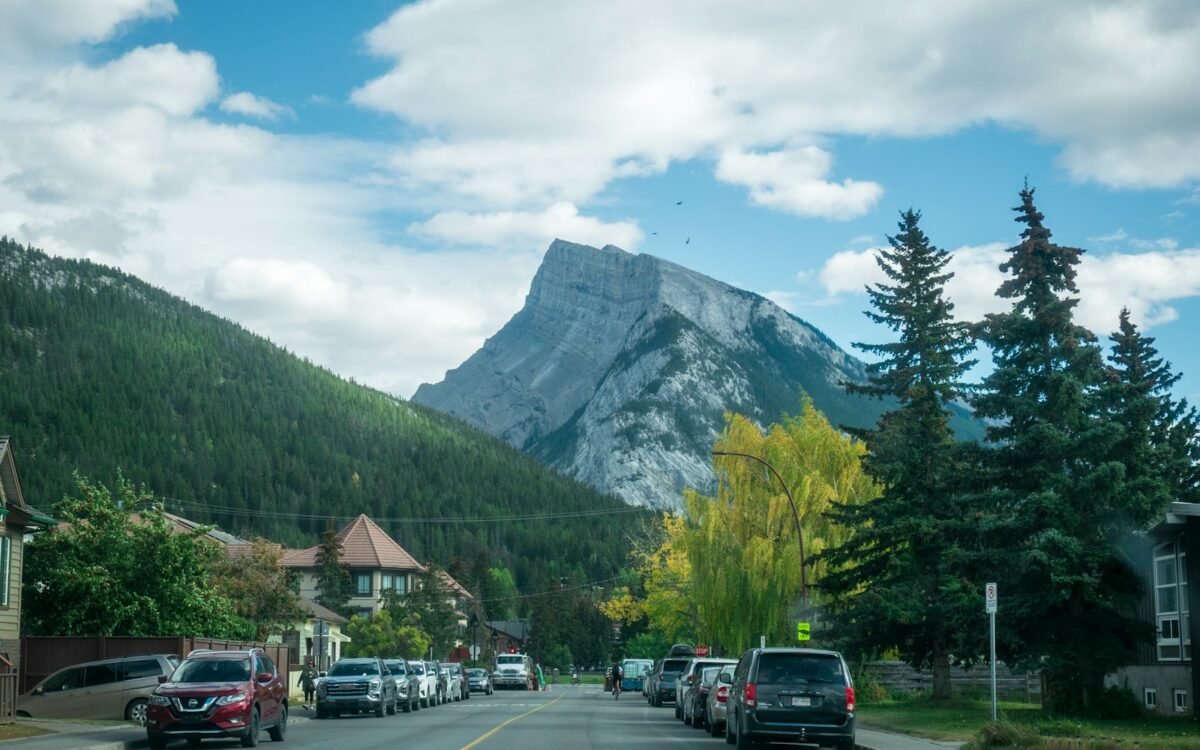
A mountain town can be beautiful after the lifts close and before the first deep snowfall. In autumn, the slopes turn copper, mornings are quiet and a short walk can reveal more than a full day of organised activity. In winter, the same town gains a different rhythm: snow underfoot, early darkness, warm kitchens and a reason to plan around weather rather than fight it. The strongest bases work in both seasons because their identity is not built on one sport.
Seasonal conditions vary sharply by altitude and year. Snow cover, trail access, road conditions, lift operation, daylight and local opening patterns are not guaranteed by a destination’s reputation. Check current information from the town, transport operator, accommodation and mountain authorities before travelling. The examples and criteria here are for choosing a type of place, not for promising a current facility or schedule.
A resilient mountain town gives you something worthwhile to do when the landscape is clear, snowy, wet, closed or simply asking for a slower day.
Look for a real town beneath the resort
Start with the centre. Is there a year-round population, a walkable street, a food culture, a market, a museum, a library or a local history worth exploring? A resort can be scenic yet difficult without a car or empty outside its main season. A town with ordinary services gives a visitor more ways to belong to the day: buy breakfast, walk to a viewpoint, browse a shop, return for a rest and eat somewhere that is not designed only around the slopes.
Accommodation location matters more than a dramatic view. Check the route to food, the station or bus stop, and the distance to the activities you care about. A steep walk that feels charming in autumn can be difficult with ice or luggage in winter. Ask about heating, drying space, storage and late arrival arrangements rather than assuming a mountain property handles these details in the same way.
Choose a town with two layers of interest. The first is the landscape: trails, viewpoints, rivers, forests or snow activities. The second is the built environment and community: historic streets, local food, craft, architecture, thermal bathing or cultural venues. That combination makes a day feel full even when a trail is closed.
Autumn rewards range, not just colour
Autumn is often presented as a visual season, but its best quality is variety. One day may offer a dry ridge walk; the next may call for a short forest route, a village bus ride or an afternoon indoors. Pack for changing temperatures and wet ground, and choose footwear for the actual terrain rather than the photograph you hope to take.
In places such as Briancon in the French Alps, Kranjska Gora in Slovenia or the mountain valleys around Matsumoto in Japan, the appeal can come from combining a town walk with a modest outing. These are different regions with different languages, customs and transport patterns, so treat them as examples of a planning profile, not interchangeable destinations. Confirm local access, trail status and seasonal opening information for the particular trip.
Autumn light also makes a case for starting early and keeping the schedule modest. A longer walk may take more time than the map suggests when the surface is wet, daylight is shortening or you stop to look. Build a return deadline, carry water and tell someone your plan if you are heading beyond the town.
Winter needs practical depth
A winter base has to work when conditions are less than perfect. Ask what remains accessible without assuming that every visitor wants to ski. Snowshoeing, gentle walks, museums, bakeries, galleries, public baths, cooking, reading and good meals can all be part of a winter trip. The exact mix depends on the town and season; current operators and local information should decide what is realistic.
Transport deserves extra attention. A scenic road can become slow or unsuitable in snow, and the last return connection may be earlier than expected. If you are driving, check equipment and local requirements through current official guidance, and do not treat a rental car as a substitute for experience in winter conditions. If you are using public transport, keep an indoor backup near your base and allow margin for disruption.
Dress in layers that can dry, keep traction aids appropriate to the route and protect a phone or camera from cold and moisture. A short walk on icy ground can demand more concentration than a longer summer trail. When visibility drops, change the plan without treating that as a failure.
Choose atmosphere over a perfect forecast
Forecasts are useful for decisions, not guarantees. A good mountain itinerary has a clear-weather option, a poor-weather option and a low-energy option. The first might be a high viewpoint, the second a local museum and long lunch, and the third a short neighbourhood loop followed by an early night. Book only the fixed elements you can realistically use, and check cancellation conditions.
Ask what kind of quiet you want. A larger resort may provide more services and easy access to activities, while a smaller town may offer intimacy but fewer alternatives. Neither is automatically better. Consider your tolerance for crowds, driving, limited dining, steep paths and early closing times. Travellers with mobility needs should seek specific information about gradients, surfaces, lifts and accessible transport rather than relying on general claims.
The best mountain towns make the weather part of the character. They offer a reason to go outside, a reason to come back in and enough local life that neither autumn nor winter feels like an off-season compromise. Choose for that depth, and the landscape will have more than one way to welcome you.
Key takeaways
- Choose a year-round town with food, services and indoor culture as well as mountain activities.
- Treat autumn and winter access, weather, daylight and transport as variables to verify for the actual trip.
- Build clear-weather, poor-weather and low-energy plans so a changed forecast does not erase the holiday.