A Traveler’s Guide to Doing Less and Seeing More
A fuller travel experience often comes from fewer bases, longer pauses and repeated contact with one place. Use this guide to reduce itinerary pressure without giving up curiosity or meaningful discovery.

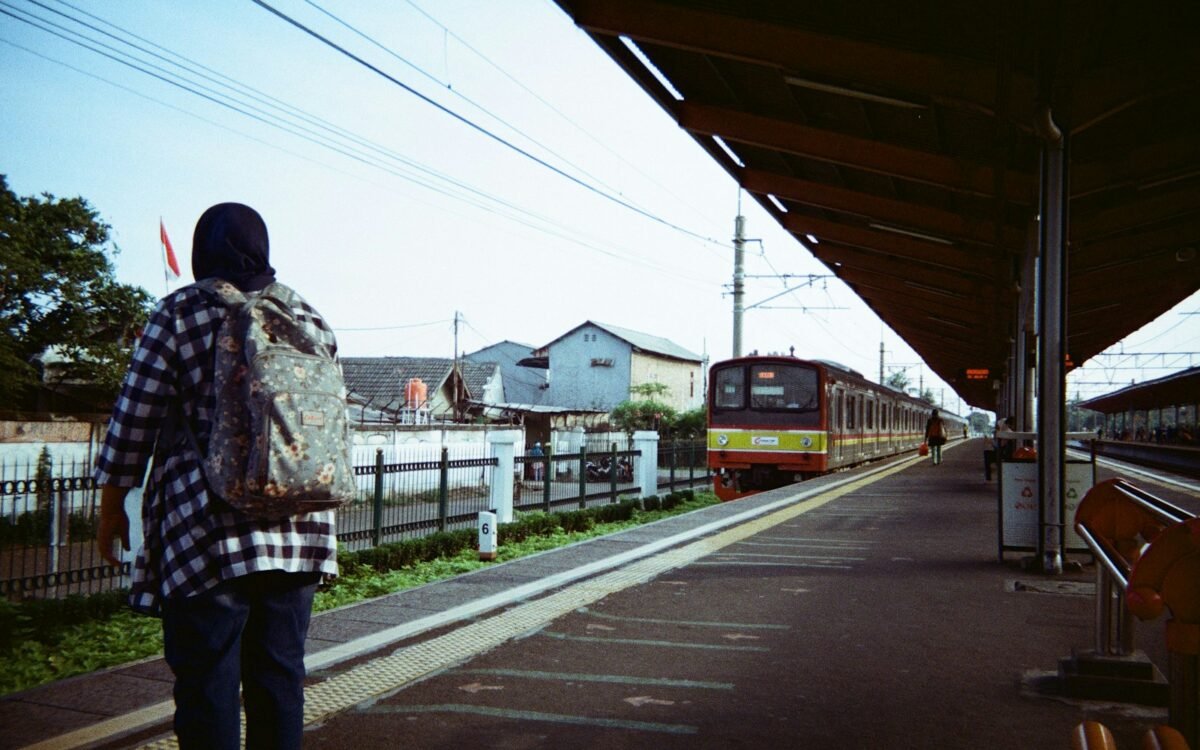
By the third morning, the traveller knows the departure time of the next train, the check-out rule and the quickest route to the station, but cannot remember the name of the street where yesterday’s meal happened. Nothing is wrong with the trip; there is simply no attention left for it. Doing less is not an excuse to be passive. It is a way to make room for the details that only appear when you stop moving long enough to notice them.
Seeing more does not mean covering more ground. It can mean understanding one neighbourhood, recognising the same shopkeeper, learning the shape of a local day or having enough energy to take an unplanned turn. A slower itinerary still benefits from preparation, especially when transport, weather, accessibility or reservations matter. The difference is that planning serves the experience instead of replacing it.
Leave enough empty space for a place to become more than the version of it you saw in advance.
Choose a radius before you choose a list
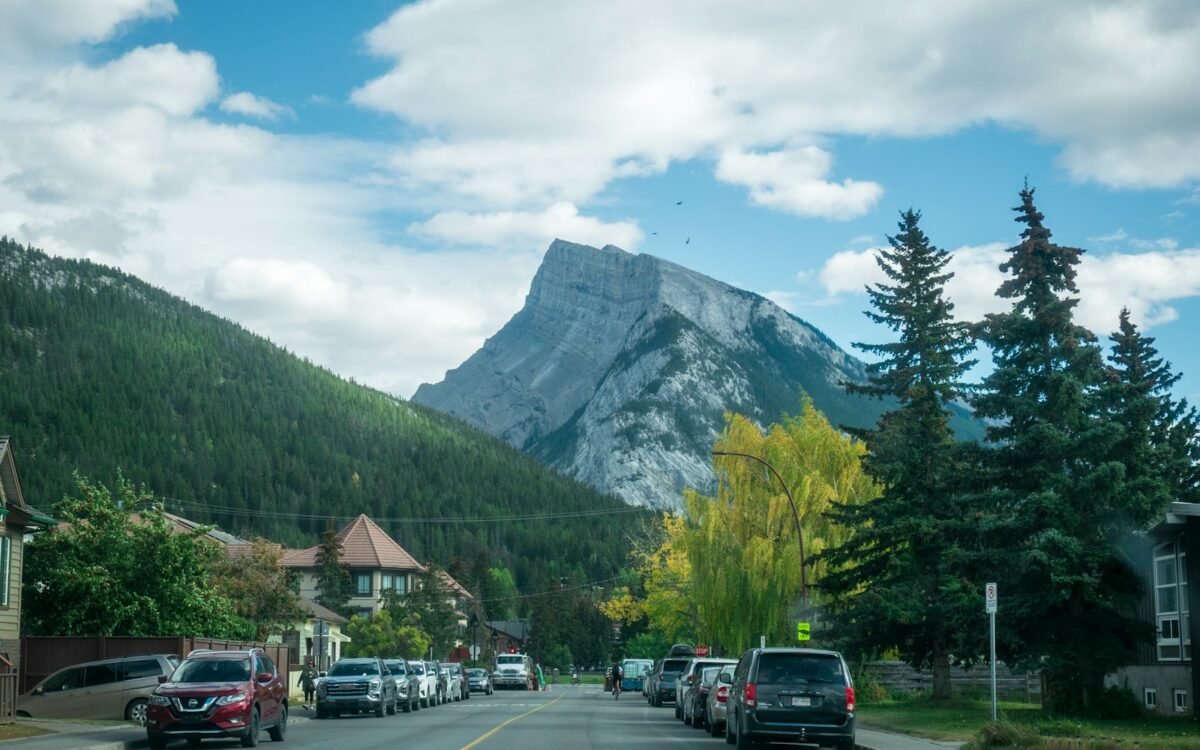
Draw a practical circle around your base. Within that radius, identify one cultural anchor, one everyday area, one outdoor option and a few places to eat or rest. This creates variety without requiring a new route every morning. The circle can be a neighbourhood in a city, a valley around a mountain town or a small group of villages connected by reliable transport.
Start with the base rather than the attractions. A room near a station may help with an early departure, while a quieter address may be better for a longer stay. Consider food, sleep, access, luggage, noise and the route home after dark. The most central room is not always the most useful, and a beautiful remote stay can become restrictive if every activity requires a complicated transfer.
Limit the number of anchor bookings. A timed museum, a guided walk or a special meal can give the day shape, but stacking them creates a chain of obligations. Put anchors on separate days when possible, group nearby plans and confirm current opening or booking details through official sources. Keep a simple map of the area so your plan reflects real distances rather than a list sorted by interest.
Build days around energy, not hours
Instead of filling a calendar from morning to night, assign each day a level of effort. A high-energy day might include a long walk and a late meal. A medium day could combine one attraction with a slow lunch. A low-energy day might contain breakfast, a short outing and time at the accommodation. This is especially helpful on arrival days, after long transfers and during trips affected by heat or cold.
Protect transition time. Getting ready, finding food, waiting for transport, using a toilet and taking a wrong turn are not failures in the schedule. They are part of travelling in a real body through a real place. A plan that allows them is more likely to produce a good afternoon than one that assumes perfect movement.
Use a “one more thing” rule with caution. If the day already feels rich, stop before adding another attraction simply because the map is nearby. The unvisited place can become a reason to return. Rest is not time removed from seeing; it is what lets the mind retain what it has seen.
Stay long enough for repetition
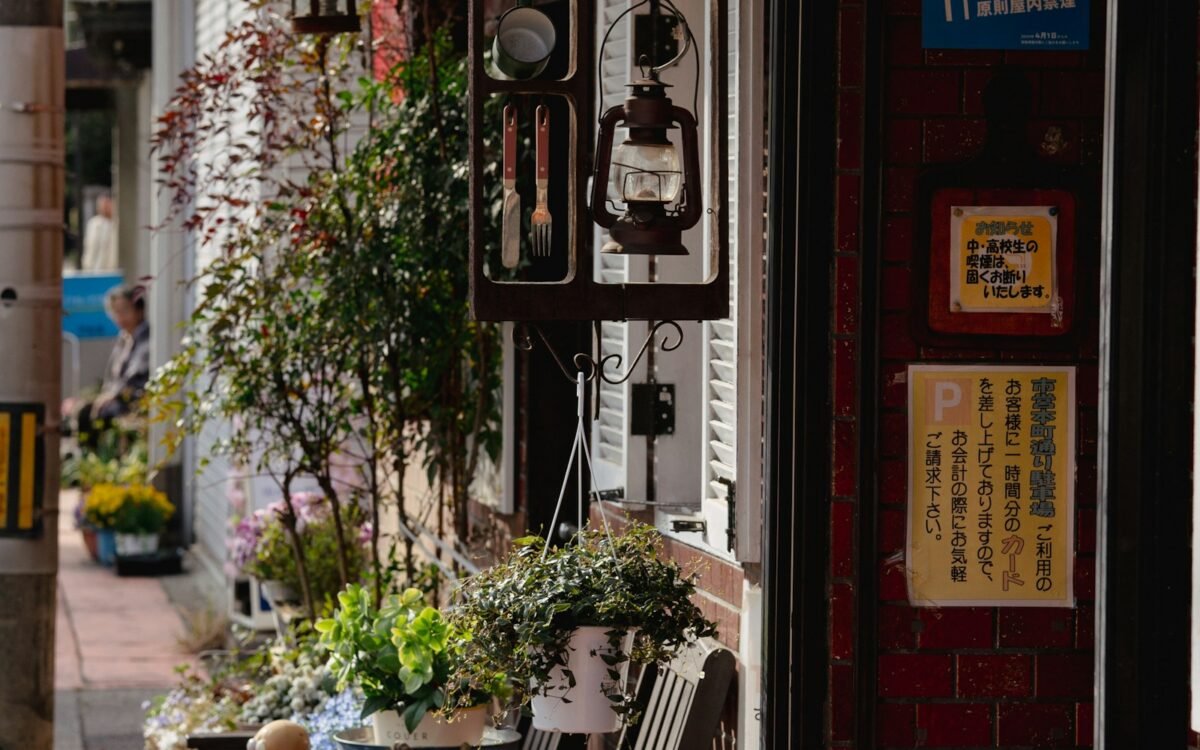
Repetition is one of the simplest ways to move beyond sightseeing. Return to the same cafe, market, park or street at a different time. The first visit teaches you the layout; the second reveals how the place changes. You may notice commuters replacing tourists, a different menu, a new light on a building or the small choices that make a neighbourhood function.
Choose a few local rituals that fit your life. Buy breakfast from the same counter, walk after dinner, read in a public garden or visit a food shop with a particular question. You do not need to pretend to be a resident. You only need to exchange novelty for familiarity often enough that the destination gains depth.
Keep your curiosity active by setting a small research prompt. Look for local materials in architecture, learn the history of one street, compare regional snacks or ask a guide how seasonal weather changes daily life. A specific question turns a passive walk into an investigation without making it feel like homework.
Protect attention from the itinerary
Digital tools can help you move through an unfamiliar place, but constant optimisation makes every moment feel provisional. Download what you need, keep addresses and tickets available offline and then put the phone away during part of the day. Take photographs to remember what mattered, not to prove that every stop happened.
Keep a short daily record. Write down one sensory detail, one thing you learned and one moment that surprised you. This takes less time than editing a stream of images and gives the trip a clearer shape. It can also reveal when you need to slow down: if every note is about queues, transfers and the next booking, the itinerary may be asking too much.
Doing less does require accepting uncertainty. You may miss a famous room, fail to find the recommended restaurant or spend an hour on a street that leads nowhere in particular. That is not the same as wasting time. Some of travel’s strongest memories are built from modest attention: a change in weather, a patient explanation, a meal chosen because it was nearby or a view that was not on the plan.
Reduce the number of promises you make to the itinerary, and you will have more capacity to meet the place in front of you. Travel with a radius, a rhythm and a little unclaimed time. You may return with fewer checkmarks and a much clearer memory.
Key takeaways
- Choose a practical base and explore a radius deeply instead of changing location for every attraction.
- Plan around energy, transitions and repeated local routines rather than filling every available hour.
- Use technology for essential support, then protect attention for uncertainty, observation and memory.