How to Travel Well on a Tighter Budget
A smaller travel budget does not require a joyless trip. Start with the experiences that matter, control fixed costs, protect a small emergency margin and spend deliberately on the parts you will remember.

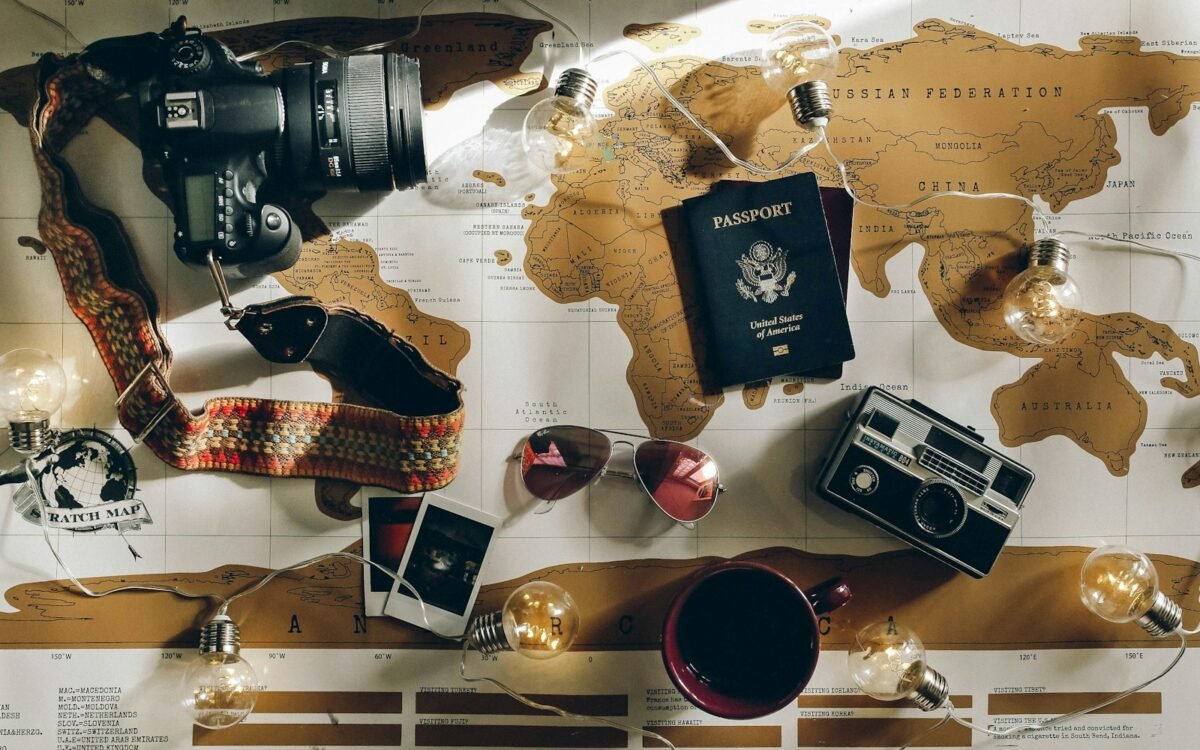
A budget trip becomes expensive when every saving creates a new problem. The cheap room is far from transport, the lowest fare excludes a bag you need and an overfull itinerary leads to last-minute meals and taxis. Travelling well on less is not about winning every price comparison. It is about deciding what deserves money, what can be simplified and where a small buffer will prevent a large mistake.
Begin with the total amount you can spend without borrowing or putting essential bills at risk. Separate the trip into transport, accommodation, food, activities, local movement, insurance, entry requirements and a contingency reserve. Rules, fares, exchange rates and fees change, so use current supplier information when you price a real journey. The framework below is about decisions, not a promise that a destination has one fixed cost.
A tight budget works best when it protects the experiences that matter and stops small compromises from multiplying.
Decide what the trip is for
Write one sentence that describes the trip: a long walk and good food, a family visit, art and architecture, a beach reset or time outdoors. Then mark the two or three experiences that would make the journey worthwhile. This prevents a common budget error: spending a little on everything while never having enough for the thing you actually came to do.
Separate “must have” from “nice to have.” A private room may be essential for sleep; a central address may not be. A guided activity may be worth the fee if it gives access or context you could not create alone; a generic attraction may not. Make the trade-offs before booking, when they are choices rather than emergencies.
Use a daily spending limit as a guide, not a punishment. Keep a note of committed costs and a small amount for flexible spending. If one day runs over because of an important experience, adjust a nonessential choice later instead of deciding that the whole budget has failed.
Control the fixed costs first
Transport and accommodation usually shape the budget more than a coffee or souvenir. Compare dates and locations, but include the cost of getting from a distant room to the places you want to visit. A slightly higher nightly rate can be cheaper overall when it reduces daily transfers, saves time and lets you return for a break.
Choose the transport arrangement you can manage. A direct journey can protect a short trip from missed connections, while a slower option may be sensible when time is flexible. Read the conditions for bags, changes, refunds, seat reservations and check-in. A low headline fare is not comparable if it excludes an item you will definitely carry.
For accommodation, inspect what is included and what you actually need. A kitchen only saves money if you will use it. A shared room may be excellent for one traveller and a poor fit for another. Check reviews for sleep, cleanliness, access, noise and the route home after dark, while remembering that a review is evidence from someone else’s stay, not a guarantee.
Spend deliberately on food and place
Food is both a cost and a reason to travel. Give yourself a simple pattern: one meal or snack that matters each day, reliable basics for the rest and a plan for the hours when hunger makes every option look urgent. Markets, bakeries, small restaurants and grocery shops can be useful, but do not assume they are automatically cheaper or suitable for every dietary need. Look at portions, opening patterns and payment methods in advance.
Make free time intentional. A long walk through a neighbourhood, a public garden, a library, a self-guided architecture route or a swim can be more satisfying than filling the day with paid entries. Choose one paid anchor, then build the surrounding day around it. If an attraction is important, confirm its current opening days, booking rules and total fee through the official source.
Buy fewer things and make them specific. A useful local object, a book connected to the trip or a meal you will remember usually has more value than several impulse purchases. Keep luggage capacity in mind before buying anything, and do not turn “saving” into a reason to buy equipment you did not need at home.
Keep the plan resilient
A contingency reserve is part of the budget, not wasted money. It can cover a delayed connection, a necessary replacement, an unexpected medical cost or a safer route home. Keep it separate from daily spending and make sure you can access it if a card stops working. Carry a backup payment method, but do not store every card and document in one place.
Protect the basics that keep decisions good: sleep, food, medication, safe transport and appropriate insurance. Cutting these can create costs that are difficult to recover. Check the cover and exclusions for the trip you are taking, and keep important documents accessible offline. If you are travelling internationally, verify entry, health and payment requirements from current official sources.
Finally, review the budget without shame. A trip that costs slightly more but gives you rest, connection and a clear memory may be better value than a technically cheap trip that leaves you depleted. The aim is not to make every choice minimal. It is to make the limited choices count.
Travel on a tighter budget becomes generous when it is honest. Pick the purpose, spend on the parts that carry it, simplify the rest and leave room for the ordinary surprises that make a journey feel real.
Key takeaways
- Define the trip's purpose and protect two or three experiences before cutting minor costs.
- Compare total transport and accommodation costs, including bags, transfers, time and booking conditions.
- Keep a separate contingency reserve and protect sleep, food, medication, safety and insurance.