Slow Trains and Long Weekends: Europe’s Overnight Routes Are Back
An overnight rail journey can turn travel time into part of the holiday. Here is how to choose a realistic route, sleep better on board and plan around uncertainty without relying on a timetable or fare that may change.

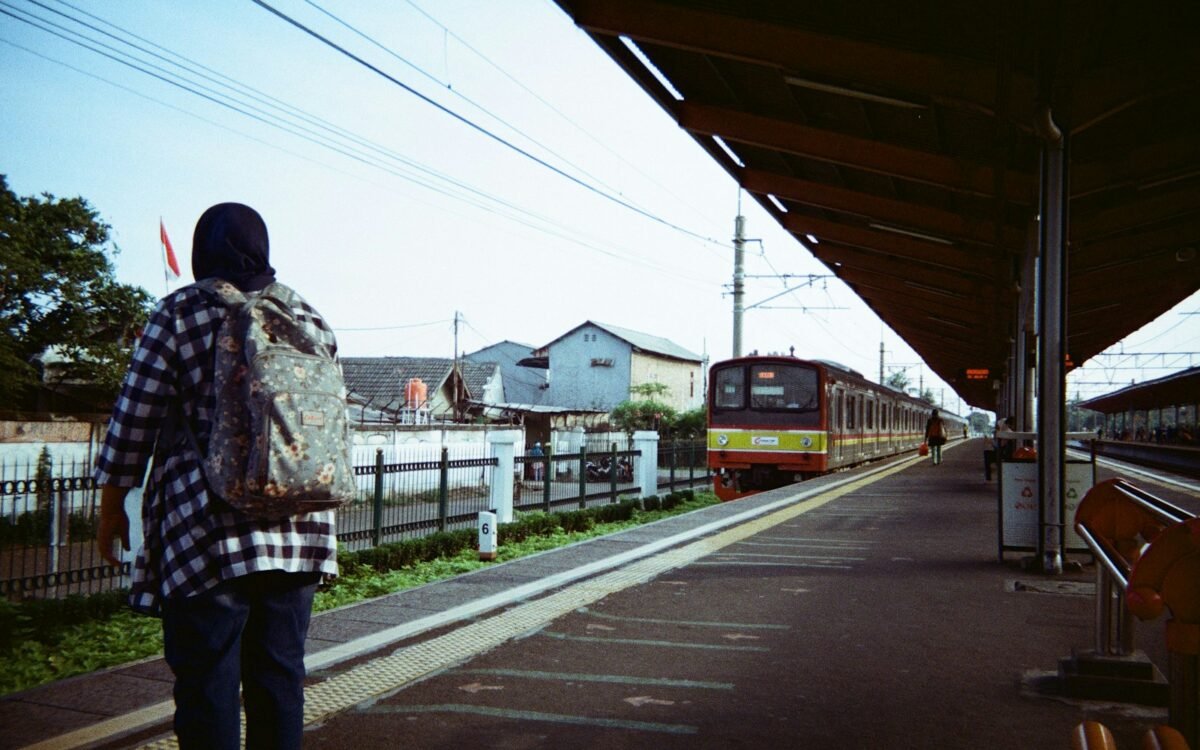
At a station after dark, the platform has a different tempo. Day-trippers have gone home, a few passengers check the carriage number and a sleeper train waits with its lights on. By morning, the view outside the window has changed and the traveller has arrived in a new region without giving up a full day to an airport transfer. That is the appeal of Europe’s overnight revival: the journey can become one of the trip’s experiences instead of an obstacle between two destinations.
Night trains are not a magic answer for every route. A cabin can cost more than a daytime seat, sleep may be interrupted and a connection can matter if the train is late. Routes, operators, departure days, equipment, booking windows and prices change, so confirm the current details with the relevant railway or booking provider before committing. The principles below are for building a robust plan, not for promising a particular service.
An overnight train works best when you value the journey itself and plan the morning as carefully as the departure.
Choose the route, not just the romance
Start with the geography. An overnight service makes most sense when it replaces a long daytime transfer or an inconvenient combination of airport, hotel and local transport. Draw the complete journey from your door to the first meaningful activity at the destination. Include the trip to the station, time needed to find the platform, arrival transfer and any gap before check-in.
Then compare the alternatives honestly. A daytime train may offer better scenery, easier work time or a lower total cost. A flight may be necessary because of distance, accessibility or a fixed appointment. The overnight option wins when it protects a day, avoids a separate hotel night or makes the trip feel more coherent, not because “slow” is automatically superior.
Look at the structure of the booking. Some journeys are direct; others require a change before or after the sleeping segment. A through ticket and a collection of separate tickets have different risks if disruption occurs. Read the conditions for changing, cancelling and missing a connection. If you are travelling for a wedding, cruise or other fixed event, arrive with a meaningful buffer rather than relying on the final possible service.
Pick a sleeping arrangement that matches your body
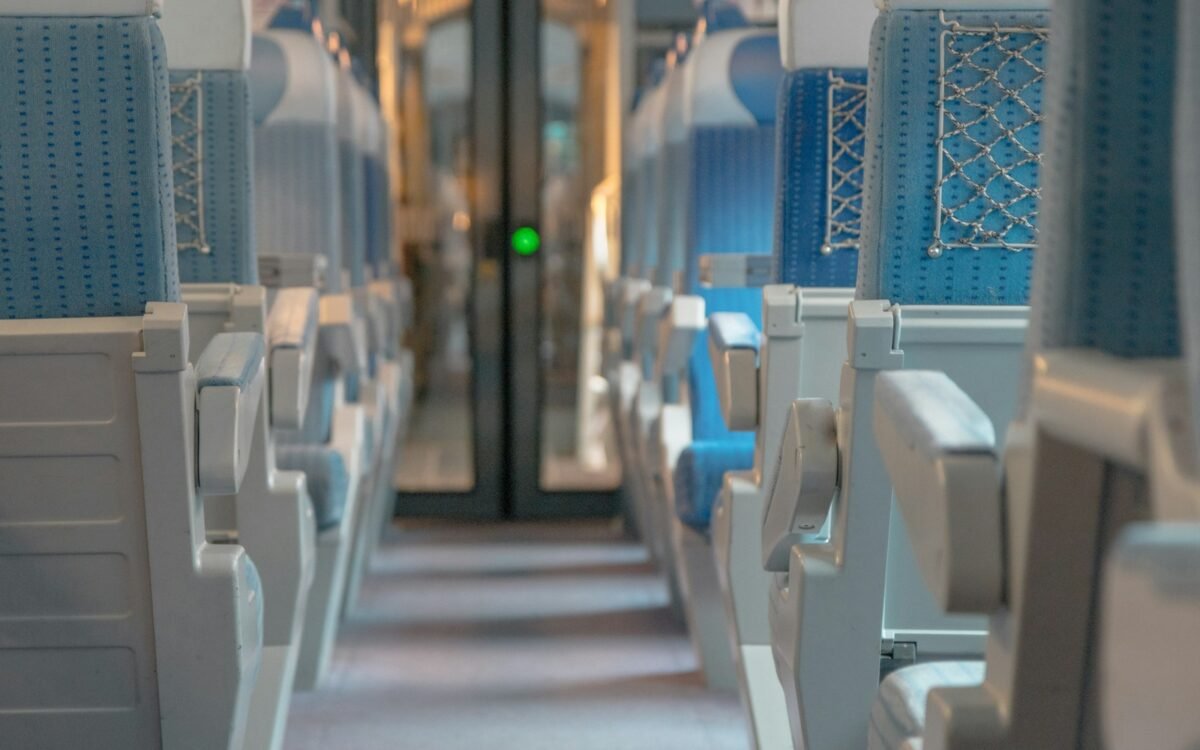
Overnight trains may offer seats, couchettes or private sleeping compartments, but the labels and layouts vary by operator. A seat is the most exposed option: it can be workable for a short journey, but it asks you to sleep upright among changing passengers and lights. A shared couchette can provide a bed and a lower cost, but privacy, luggage access and comfort depend on the carriage and your fellow travellers.
A private compartment can make sense when sleep is central to the next day or when a group can share the space. Do not assume that a private booking removes every compromise. Washroom arrangements, bed width, temperature, noise and corridor movement can still differ. Check the accessible features and any rules for children, pets, bicycles or large luggage before choosing.
Pack for a small room. Keep a sleep layer, eye mask, earplugs, water, medication, charger, toothbrush and the clothes for arrival in a personal bag. Do not bury these items in a suitcase that may be stored away. Wear shoes that are easy to remove, and carry a light layer because carriage temperatures are difficult to predict.
Make the station and evening easy
Eat before boarding if the service does not clearly provide food, but avoid assuming that a station shop or onboard offering will be open. Carry food that suits your needs and follows the relevant rules for crossing borders. Fill a reusable bottle where permitted, and keep your ticket and identification accessible without repeatedly opening the main bag.
Arrive early enough to find the platform without sprinting. Large stations may have multiple concourses or a long walk from the entrance to the train. Check the departure information close to leaving, because a platform or carriage position can change. If you need assistance, request it through the operator’s current process and allow extra time for boarding.
Once on board, make the first few minutes orderly. Confirm your compartment, store valuables, set an alarm that allows time to dress and gather belongings, and note where the essentials are. Keep noise low and use a simple routine rather than trying to work through the night. A night train is a shared sleeping space, not a private hotel room.
Plan the morning as part of the trip
Arrival can be surprisingly early. Do not schedule a timed attraction immediately unless you know where you can wash, store luggage and recover. A station cafe, a luggage locker or an accommodation that can hold bags may turn an awkward gap into a gentle start, but availability is not guaranteed. Ask ahead where possible and keep a fallback plan.
Choose a first activity that is forgiving: a walk, market, public garden, neighbourhood breakfast or museum with flexible entry. Save the most demanding hike, meeting or reservation until you understand your energy. If the train arrives late, a flexible morning protects the rest of the weekend.
On the return journey, leave the destination with the same care. Confirm the station and boarding requirements, keep a copy of the booking offline and know what you will do if the service is delayed. Passenger rights and assistance depend on the journey and jurisdiction, so read the current operator or rail authority guidance rather than assuming that every network handles disruption the same way.
The renewed interest in overnight rail is really an interest in better-shaped time. Choose a route that solves a real problem, pay for the sleeping arrangement you can use and protect the hours after arrival. Then the train is not merely a way to travel while asleep; it is the first chapter of the weekend.
Key takeaways
- Compare an overnight train with the complete door-to-door journey, not only the travel time on the timetable.
- Choose the sleeping arrangement, luggage setup and evening routine that support the rest you actually need.
- Verify current routes, booking conditions and disruption guidance, then keep the morning flexible.