The New Ideas Shaping Modern Travel
Modern travel is moving beyond a checklist of famous places. The most useful new ideas focus on purpose, pace, local relationships, practical technology and trips that leave room for attention.


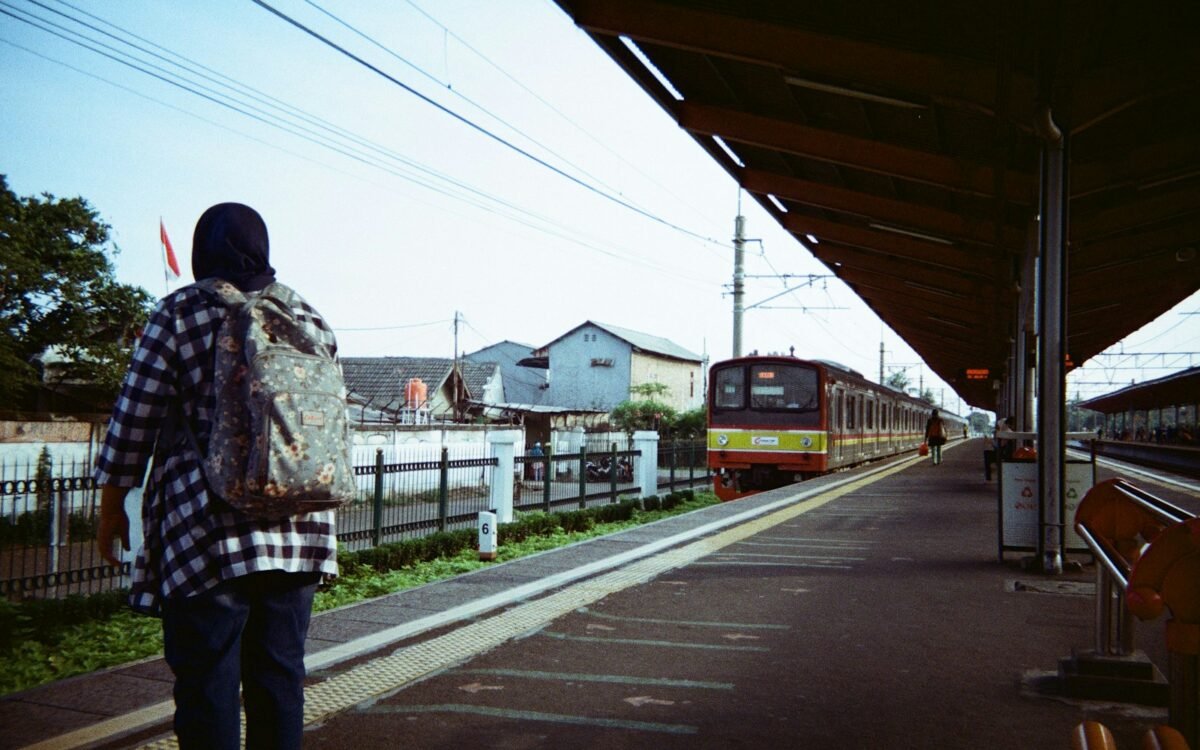
A traveller arrives in a small town before the cafes open, walks past a school run and finds the market being set up by people who are not performing a destination for visitors. Nothing dramatic happens, yet the morning feels unusually rich. There is time to notice how the place works, rather than rushing through a list of things to photograph. That shift captures one of the most useful ideas shaping modern travel: a good trip is not only a collection of sights, but a way of paying attention.
Travel has become easier to research and harder to experience well. Search results can produce endless options, while short videos flatten very different places into the same promise of discovery. The answer is not to reject planning or technology. It is to use them in service of a clearer purpose, a more realistic pace and a fairer relationship with the places we visit.
Modern travel is less about collecting destinations and more about designing the conditions for a meaningful encounter.
From destination to relationship
The old question is, “What should I see?” A better starting question is, “How do I want to relate to this place?” Someone interested in food might choose a neighbourhood with a working market, a cooking class led by a local host or a longer stay that makes repeat visits possible. Someone interested in architecture might walk one district slowly, learn why its buildings look the way they do and notice how residents use them today.
This approach changes the itinerary. A landmark can still matter, but it becomes an entry point rather than the whole experience. Before booking, list the activities that would make the trip feel worthwhile, then identify which ones involve local businesses, public spaces, shared transport or everyday culture. The list will usually be shorter and more specific than a collection of top-ten attractions.
It also encourages better questions about access. Is the activity welcome to visitors at the time you plan to go? Does it support a small operator or put pressure on a fragile site? Can you participate without interrupting a community’s routine? The answers are not always obvious, so read local guidance and choose providers that explain how they operate instead of relying on vague claims.
Slow is a design choice
Slower travel does not require a month away or an expensive train cabin. It can mean choosing one base instead of three, taking a direct route, staying long enough to learn the way to a bakery or leaving an afternoon without a scheduled attraction. The benefit is not simply less transport. It is the mental space to notice changes in weather, mood and energy.
Build a trip around transitions rather than pretending they do not exist. Arrival takes time. A transfer can be tiring. A late meal may matter more than a second museum. Put fixed reservations on only part of each day and group nearby plans together. If a place is reached by a long journey, treat the first evening as orientation, not lost sightseeing time.
Slower planning can also make a trip more adaptable. Weather, illness, delays and unexpected invitations are easier to absorb when the itinerary has breathing room. Leave a small number of decisions for the destination: which street to explore, where to eat, whether to take a walk. Preparation should reduce uncertainty, not eliminate spontaneity.
Small-scale travel has big implications
Travellers increasingly want their spending to have a visible local effect, but “local” is not a guarantee of quality or fairness. A family-run business may be excellent, or it may not suit your needs. A large operator may provide reliable accessibility, training and fair employment, while a tiny one may offer little information. Look for concrete details: who owns the business, who leads the activity, where money goes and how the operator handles waste, land and visitor behaviour.
Dispersal is another useful idea, but it should not mean exporting crowding to a new neighbourhood. Visit less pressured places because they genuinely interest you, not simply because an algorithm labels them hidden. Check whether local authorities ask visitors to avoid particular periods or sites. Choose ordinary services such as independent shops, transit, restaurants and guides, and follow rules about photography, clothing, noise and access.
The goal is a reciprocal trip. A visitor receives beauty, learning or rest; the destination receives income, respect or a small exchange of knowledge without being treated as a backdrop. That standard makes travel decisions more concrete than a broad promise to “travel responsibly.”
Technology should remove friction, not attention
Digital tools are most helpful before and between experiences. Use them to translate a menu, understand a transit connection, store an address, check an accessibility detail or keep essential documents available offline. Download maps and confirmations before leaving reliable internet, and keep a simple backup of reservations and emergency contacts.
Technology becomes less useful when it turns every minute into a data point. Constant filming can place a screen between a traveller and a conversation. Recommendation feeds can also create a loop in which everyone is sent to the same cafe, viewpoint or street. Set a few boundaries: take photographs deliberately, silence nonessential alerts and ask before recording people or private spaces.
Finally, be honest about what a tool can know. A map may show distance but not steepness, shade or how confusing a station feels with luggage. A review may describe one visit, not a permanent truth. Use digital information to frame a question, then confirm important details with official or local sources and your own judgement.
A modern trip can be ambitious without being frantic. Choose a relationship with place, protect enough time to sustain it and let technology support attention rather than consume it. The result is not a perfect itinerary; it is a more memorable way to be there.
Key takeaways
- Begin with the relationship and experiences you want, not a list of famous sights.
- Use slower pacing, local spending and practical questions to make a trip more reciprocal.
- Let technology handle friction while protecting attention for people, place and unscheduled moments.