Indoor Plants That Survive Busy Lives
The most dependable houseplant is the one matched to the light, temperature and attention you can actually provide. Choose resilient plants, make watering visible and use simple routines that prevent both neglect and over-care.

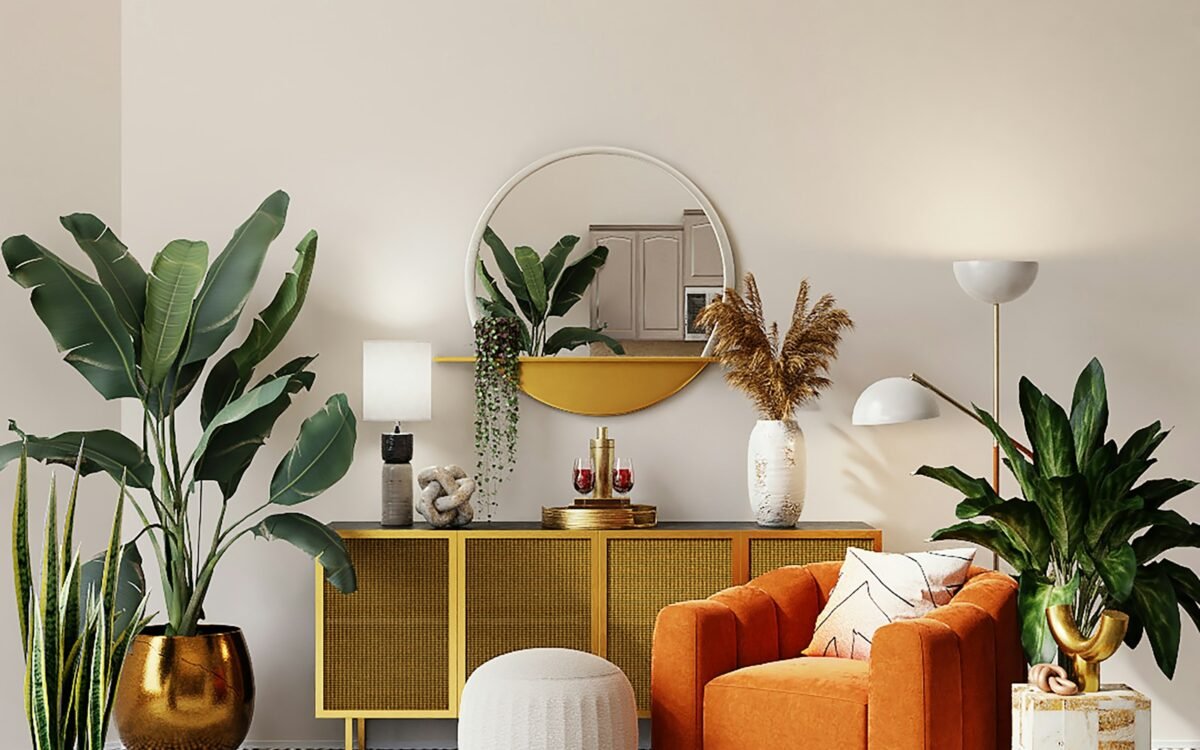
The plant was healthy in the shop, but three weeks later its leaves are pale, the soil is still wet and the pot has been pushed behind a curtain. That failure does not necessarily mean you are bad at plants. It usually means the plant, container, light and routine were chosen separately instead of as one small indoor environment.
Busy households need plants that tolerate ordinary inconsistency and locations that make care easy to remember. Start with the conditions you have rather than an ideal collection. Light direction, distance from a window, room temperature, draughts, pets, children and the amount of time available all matter. A plant that suits the room will need fewer rescue missions.
The easiest plant to keep is not the toughest plant in a catalogue; it is the one placed where its needs are visible and realistic.
Match the plant to the room
Observe the light before buying. A bright window, a shaded corner and a spot several metres from glass are different conditions even when they are in the same room. Notice whether direct sun reaches the leaves, whether a blind is usually closed and whether nearby buildings or trees change the light. If you are unsure, start with a plant in a flexible pot so it can be moved.
Common low-maintenance choices include snake plants, ZZ plants, pothos and some dracaena varieties, but no plant is maintenance-free and individual specimens vary. Check the care label, the size the plant may reach and the light it actually needs. A plant described as tolerant of lower light may survive there without growing strongly, while a plant sold for a bright window may scorch behind glass.
Consider temperature and air movement. Keep plants away from a radiator, hot vent, cold draught and a door that opens directly onto them. Sudden changes can stress plants even when the room feels comfortable to people. Leave space around leaves so you can inspect them and so watering does not become a hidden, awkward task.
Check safety before bringing a plant home. Some popular houseplants can be harmful if eaten by pets or children. Confirm the species, use a trusted care source and place it out of reach when necessary. A decorative pot is not a safe substitute for checking the plant itself.
Make watering simple and visible
Overwatering is often a problem of timing rather than kindness. A calendar reminder can help, but the soil and the plant’s conditions should guide the decision. Check the moisture below the surface with a finger or an appropriate tool, and learn how heavy the pot feels when it is dry compared with after watering. Do not water automatically because a reminder has appeared.
When watering, give the plant a thorough drink if its care needs call for it, then let excess water drain fully. A decorative cachepot should not hold a hidden pool around the inner pot. Empty standing water and make sure the container has drainage. If a plant is in a pot without a drainage hole, be particularly cautious about volume and frequency or move it into a suitable inner pot.
Group plants with similar needs rather than arranging them only by appearance. A dry-tolerant plant and a moisture-loving plant may look good together but create a confusing routine. Keep a small note of the last check for plants that are easy to forget, and place frequently checked plants where their leaves are visible during an existing habit such as making coffee.
Use travel and busy weeks as part of the plan. Water before leaving only when the plant needs it, move it away from harsh sun if appropriate and ask someone to check conditions rather than blindly following a large watering instruction. Avoid improvised systems that keep the soil saturated unless they are suited to the plant and have been tested.
Choose containers and placement that help
A plant pot needs to support roots, drainage, stability and access. Choose a size appropriate to the root ball rather than moving a small plant into a huge container that stays wet for too long. Use a saucer or waterproof tray to protect furniture, and check that the combined pot and plant will not tip on a shelf.
Make maintenance possible. Leave enough space to lift the inner pot, rotate the plant, wipe leaves and inspect the soil. A beautiful plant trapped behind books or above a tall cabinet may be impossible to water evenly. If you use a hanging planter, confirm that the fixing, ceiling and container can safely carry the load and that drips cannot damage the floor.
Rotate plants when their growth and light conditions allow, but do not treat rotation as a cure for a poor location. If a plant leans strongly, leaves scorch or growth stalls, move it gradually to a more suitable position. Sudden changes can create a new problem, especially when a plant moves from filtered light to strong direct sun.
Keep leaves clear of cold glass, heaters and busy routes. A plant should not block a window latch, narrow a stair, cover a radiator or create a trip hazard. In small homes, one healthy plant in the right place is more useful than several crowded pots that make cleaning and movement harder.
Use a low-effort maintenance rhythm
Once a week, look rather than perform a fixed list. Check leaves for dust, pests, yellowing, damage and new growth. Feel the soil of plants that may need water, turn pots if appropriate and remove fallen material. This short inspection catches problems earlier than a monthly rescue session.
Clean leaves gently when the plant and species allow it, and keep tools together: a small watering can, cloth, saucer and pruning scissors. Do not use household cleaning products on leaves. Remove damaged material with clean tools and follow reliable care instructions for the plant you have rather than applying one rule to every pot.
Change one condition at a time when a plant struggles. Move it, adjust watering or check for pests, then observe before adding fertiliser or repotting. Pale leaves, drooping and leaf loss can have several causes, and a burst of interventions makes the original problem harder to identify. If pests spread, isolate the plant and seek species-appropriate advice.
Choose fewer plants, give them the right light and make their care visible. Busy lives can support healthy indoor plants when the collection is designed around real routines rather than good intentions.
Key takeaways
- Choose plants by actual light, temperature, household safety and the attention you can provide.
- Use draining containers, visible moisture checks and simple grouping to avoid both neglect and overwatering.
- Inspect plants regularly, change one condition at a time and keep maintenance tools easy to reach.