How to Light a Home So It Feels Calm in the Evening
A calm evening lighting plan replaces one harsh source with layers that support movement, tasks and rest. Use dimmable ambient light, well-placed task light, low-glare accents and simple controls that match the way the home is used.

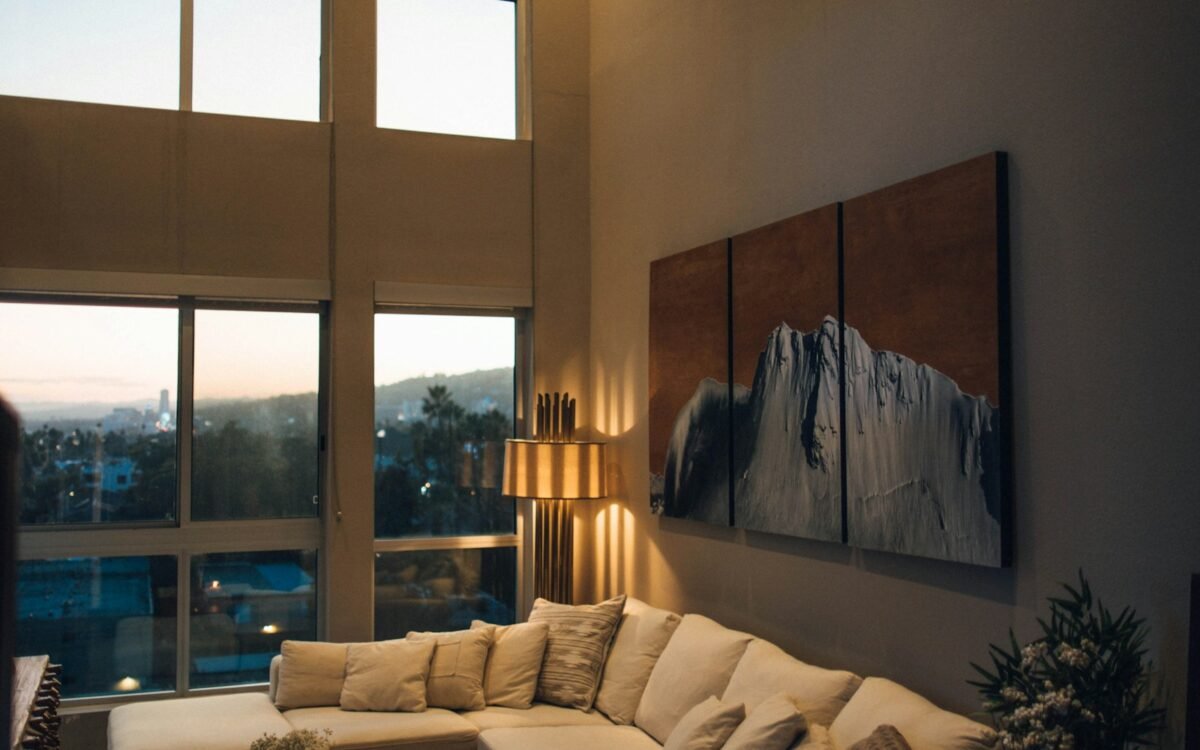
At the end of the day, the ceiling light comes on and every surface is exposed at once. The kitchen worktop glares, the television screen reflects the fitting, and the bedroom feels like an office. The problem is usually not a lack of brightness. It is that one source is being asked to handle cooking, conversation, cleaning, reading and winding down.
Calm evening lighting begins with a change in hierarchy. Keep enough light for safe movement and necessary tasks, then let the general level fall as the evening progresses. Add light where the eye needs it rather than flooding the whole room. A successful plan is comfortable at 8pm, useful at 9pm and easy to turn off when the day is over.
Calm lighting gives the room somewhere to settle instead of making every corner demand attention.
Plan from the tasks outward
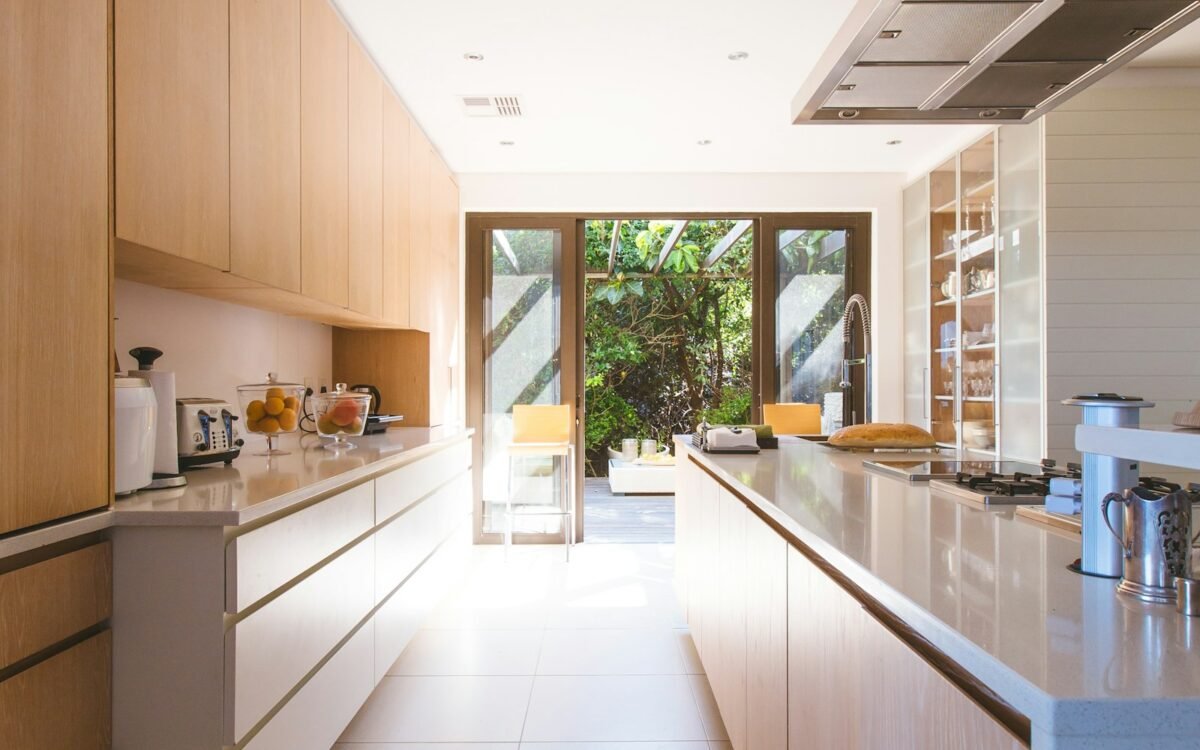
List what happens in each room after dark. In a kitchen, people may cook, wash up, eat, talk and pass through. In a living room, they may read, watch a screen, play a game or host visitors. A bedroom may need light for dressing, reading and finding the way to the bathroom. Each task needs a different position and intensity.
Mark the surfaces that need light rather than starting with fitting styles. Worktops, desks, mirrors, stairs and reading chairs are task locations. A pendant above a table can provide useful focus, but it will not automatically light a worktop behind a person. A wall light beside a mirror is often more helpful than a single fitting above it because it reduces shadows on the face.
Keep circulation safe without making it theatrical. Hallways, thresholds and steps need an even route with no sudden dark patch. Low-level lights can help with night movement, but place them so their glare is not aimed directly at eyes or reflected from polished flooring. Use switches at entrances and exits so people do not need to cross a dark room to change the setting.
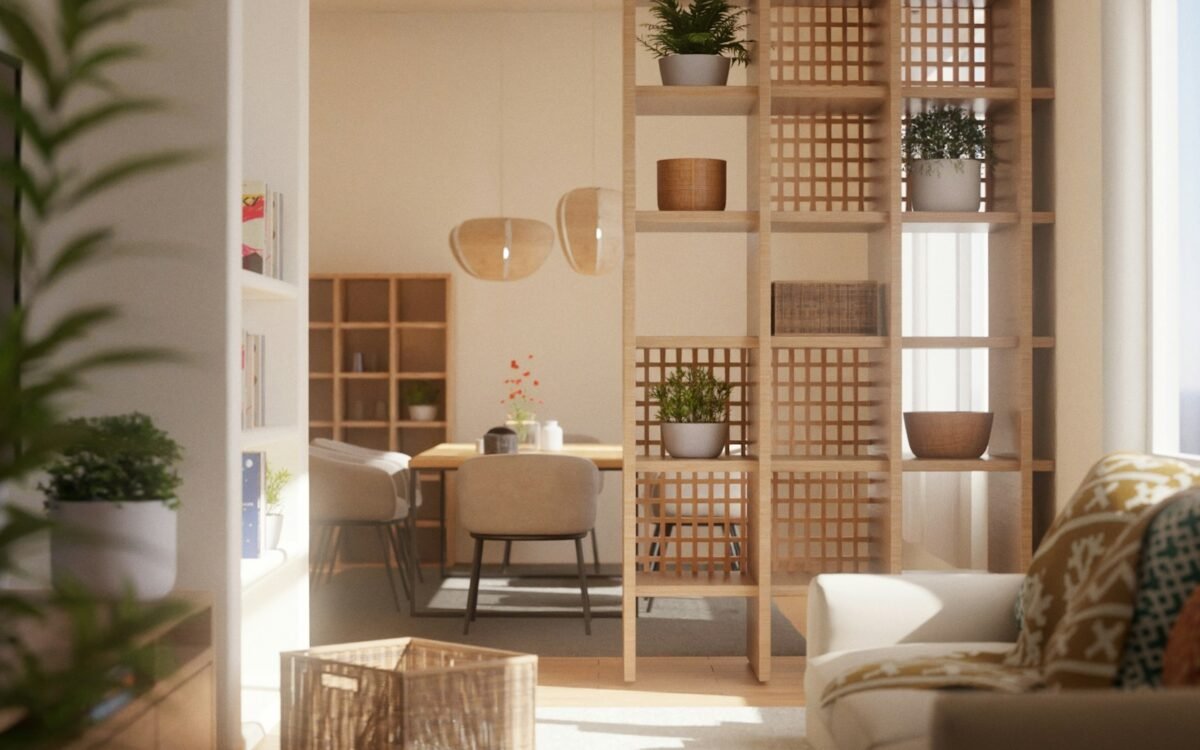
Think about the room from a seated position. A lamp that feels attractive from standing height may shine into the eyes from a sofa. View fittings from the places where people will actually sit, lie or work, and check what appears in a television or laptop screen.
Build three useful layers
Ambient light establishes the overall level. It might come from a ceiling fitting, wall lights, concealed illumination or several smaller sources. Aim for an even foundation that can be dimmed, not a single intense point. Multiple modest sources make it easier to reduce brightness without leaving one corner in complete darkness.
Task light supports an activity. Use a focused lamp for reading, a directed fitting for a worktop or a bright, even source near a mirror. Task lighting should be adjustable where possible because hands, materials and eyesight vary. Avoid putting a high-output source behind a person who will cast a shadow over the work.
Accent light gives the room depth. It can pick out a picture, a shelf, a textured wall or a plant, but it should remain optional. The goal is not to illuminate every object. One or two deliberate pools of light can make a room feel considered while leaving quieter areas for the eye to rest.
Use the layers together but give them independent controls. A switch at the door can handle general light, while a lamp or second circuit supports reading or conversation. If a room has a dimmer, check that the lamp, bulb and control are compatible. Flicker, buzzing or a narrow dimming range will undermine the calm you were trying to create.
Manage glare, colour and reflection
Glare is often the real source of evening discomfort. Hide bright bulbs behind shades, baffles or diffusers, and keep bare sources out of direct sightlines. Check reflective surfaces such as mirrors, glass doors, polished stone and screens. Move a fitting or change its angle before adding more light to compensate for a reflection.
Colour appearance changes under artificial light. Warm light can make creams, reds and timber feel richer, while cooler light can make whites and blue-green shades appear sharper. There is no single correct choice for every room. Compare bulbs in the actual fittings, beside the wall colour and next to the textiles you use at night.
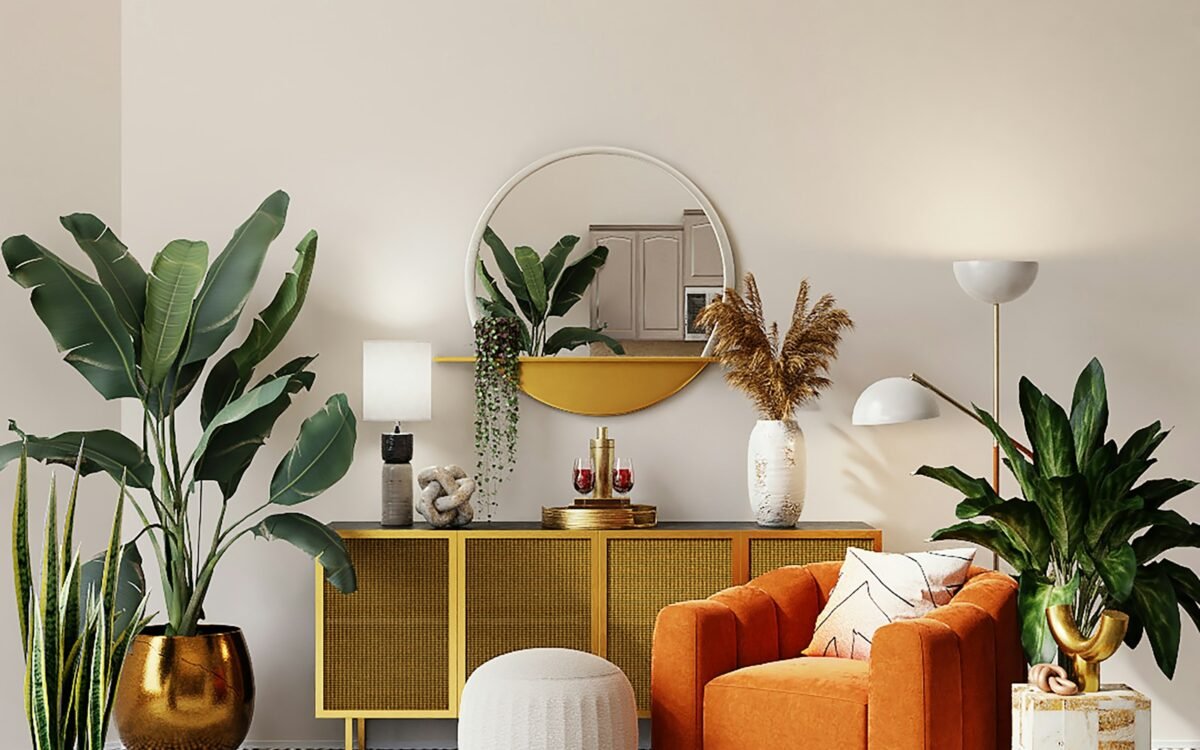
Keep lamp positions flexible. A floor lamp can shift when furniture moves, and a small table lamp can create a low, welcoming pool without rewiring. Use shades that send light where it is wanted and prevent the bulb from being visible at eye level. In a room with children or pets, choose stable bases and protect cables from routes and heat.
Do not confuse dim with calm. A dimmed blue-white bulb, a flickering lamp or a poorly controlled downlight can still feel harsh. Calm comes from reduced contrast, softened sources, useful placement and the ability to change the room without a complicated sequence.
Make the evening routine easy
Controls should match the household’s habits. Put the main switch where someone enters, provide a bedside control for essential night lighting and consider a simple scene only when it genuinely saves effort. Label unusual controls, keep a manual option and test the arrangement with someone who did not install it.
Use timers or smart routines carefully. A gentle change in light can signal the end of work or reduce the need to search for switches, but an automatic blackout can be inconvenient when dinner runs late. Set routines as suggestions with overrides. If connected equipment is used, keep essential lights operable during a network or power problem and use a qualified professional for fixed electrical work.
Review the plan after living with it. Note where people turn on the brightest fitting, where shadows remain and which lamps are never used. The fix may be a lower lamp, a shield, a different bulb or a switch moved to a better position. Lighting design improves through observation more than through adding fittings.
Layer the light, reduce glare, give tasks their own support and make controls obvious. A calm evening home is not dark; it is selective, adjustable and kind to the eyes.
Key takeaways
- Plan lighting around evening tasks and circulation before choosing decorative fittings.
- Combine dimmable ambient light, useful task light and restrained accent light on separate controls.
- Test glare, reflections, bulb colour and control access in the rooms as they are actually used.