A Calmer Approach to Wearable Health Data
Wearables can help you notice patterns in movement, sleep or heart-related measurements, but their readings are estimates rather than diagnoses. Decide what question you are asking, check trends with context and take concerning symptoms more seriously than an app score.

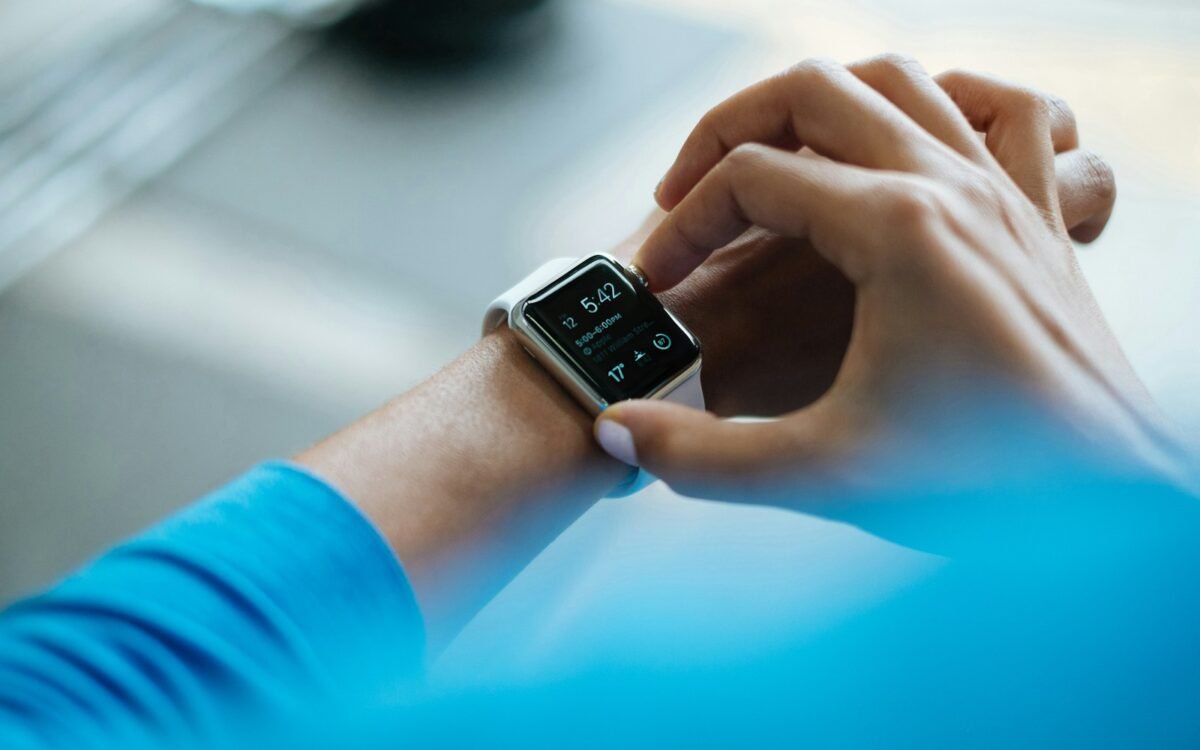
Your watch shows a poor sleep score after a night that felt fine, then reports an unusually high heart-rate reading during a stressful commute. It is tempting to treat every number as a verdict. A calmer approach starts by remembering what the device can and cannot do: it collects signals through a sensor, processes them with software and presents an estimate that may be useful for noticing patterns but cannot explain a symptom on its own.
Wearables vary by device, fit, skin contact, movement, software and the situation being measured. Some features are designed for wellness rather than clinical decision-making. This is general information, not a guide to diagnosing yourself. Use a qualified healthcare professional for concerns about symptoms or treatment, and do not delay urgent care because an app looks reassuring.
Decide what question the device can answer
Choose one practical question before opening the dashboard. You might ask whether your bedtime has become later, whether you are moving during a workday, or whether a new routine seems to change your overnight pattern. A question keeps the device in a supporting role. Without one, a stream of scores can turn ordinary variation into a daily investigation.
Learn what the measurement represents. A device may estimate sleep from movement and other signals rather than directly measuring every stage of sleep. A heart-rate reading may be affected by activity, posture, temperature, fit, motion or a technical error. A calorie estimate is not a precise account of what your body needs. Read the manufacturer’s description, limitations and settings, and be cautious with labels that sound more definitive than the method.
Set a stopping rule for checking. Review data once at a planned time, or take a few days away from the dashboard if it is increasing worry. Turn off alerts that do not help you act. A health tool is not useful if it makes you avoid sleep, exercise or ordinary life because you are trying to produce a perfect graph.
Read trends with context
Look for repeated changes rather than reacting to one unusual reading. Note relevant context such as illness, travel, alcohol, a late meal, a hard workout, a stressful event, a loose strap or a change in device settings. Context does not explain every result, but it prevents you from treating a number as if it appeared in a laboratory without a human life around it.
Compare like with like. A measurement taken while walking is not directly comparable with one taken while resting, and a different device or firmware version may change the result. Keep the comparison simple. If a pattern matters, bring the dates, notes and screenshots to a clinician instead of trying to translate the app’s language into a diagnosis.
Use the data to support a small experiment, not to grade yourself. If late notifications seem to keep you engaged, silence them for a week and observe how evenings feel. If you sit for long stretches, add a reminder to stand when it is practical. Change one habit at a time so the information stays understandable. Stop an experiment if it causes pain, fear or unsafe behaviour.
A wearable can be a clue in your own record, but it is not the final authority on your health.
Protect context, attention and privacy
Check the privacy settings before turning on a new feature. Review which apps can access health information, whether data is shared with a service and how long it is retained. Use a strong account password and device lock where available. If the wearable is managed by an employer, insurer or family member, understand who may see the information and what choices you have.
Do not let a daily score crowd out your own experience. If a device says you slept well but you are struggling to stay awake, the symptom matters. If it says your readiness is low but you feel well, you can choose a gentler plan without assuming the number has found a hidden disease. Treat both the reading and your lived experience as incomplete pieces of information.
Be careful with goals that encourage compensation. Chasing a step target while injured, restricting food to match an energy estimate or repeatedly testing a heart feature can turn measurement into pressure. Adjust targets to your circumstances, and consider removing a feature that makes healthy activity feel compulsory or frightening.
Know when data should leave the app
Contact a healthcare professional when a repeated pattern concerns you, when a device feature alerts you more than once, or when you are unsure how a reading relates to a medicine or condition. Bring the device, its model, the date and what you were doing. A clinician can decide whether the information is useful and whether a validated assessment is needed.
Symptoms take priority over a normal reading. Seek urgent help for severe chest discomfort, serious breathing difficulty, fainting, sudden weakness, confusion or another symptom that feels dangerous. An ordinary consumer wearable cannot rule out an emergency. If an alert is alarming but you feel well, follow the device instructions and contact appropriate medical advice rather than repeatedly trying to confirm the result yourself.
Finally, remember that not wearing a device is a valid choice. You can track a routine with a notebook, calendar or no measurement at all. The best tool is the one that helps you make a sensible decision without taking over your attention.
Ask a clear question, read patterns with context and let symptoms guide care. Wearable data is most useful when it informs your judgement instead of replacing it.
Key takeaways
- Use a wearable to explore a specific pattern, not to produce a daily verdict or diagnosis.
- Interpret readings alongside fit, activity, illness, settings and your own experience.
- Take concerning symptoms or repeated alerts to a qualified professional and seek urgent help for emergencies.