The Everyday Foods Nutritionists Actually Recommend
Useful nutrition advice often looks ordinary: vegetables, fruit, beans, whole grains, nuts, eggs, fish or other protein foods, and water in forms that fit your life. Build meals from practical staples instead of chasing a perfect shopping list.

You open the refrigerator after work and find a bag of carrots, eggs, leftover rice and a container of beans. None of them is a miracle food, but together they can become a filling meal in less time than it takes to order something. The foods nutrition professionals commonly recommend are often ordinary because they are flexible, affordable and useful across many kinds of cooking.
There is no single correct diet. Food choices are shaped by culture, appetite, budget, allergies, access, medications and health conditions. The goal here is not to prescribe a menu or label foods as good or bad. It is to show how a small group of dependable foods can make balanced eating easier without turning every meal into a nutrition project.
Build meals from familiar categories
Start with a base you enjoy, such as oats, potatoes, rice, pasta, bread or another grain. Add a protein-rich food, perhaps beans, lentils, tofu, eggs, fish, poultry, yoghurt or another option that suits your needs. Include a fruit or vegetable when practical, then add a source of fat or flavour such as nuts, seeds, olive oil, avocado, cheese, herbs or a sauce.
This is a flexible way to think, not a requirement that every plate contain a fixed number of items. Soup with beans and bread, a vegetable omelette, yoghurt with oats and fruit, or noodles with tofu and frozen vegetables can all fit the pattern. Let familiar meals do some of the work. A useful structure is easier to repeat when it resembles food you already like to eat.
Pay attention to how the meal serves you. If you are hungry again soon, add a component that helps you feel satisfied. If a large meal is uncomfortable, divide it into smaller eating occasions. If you have been given specific nutrition instructions, use them instead of generic advice. A dietitian, clinician or pharmacist can help when an allergy, condition, medication or treatment changes your needs.
Make plants easier to reach
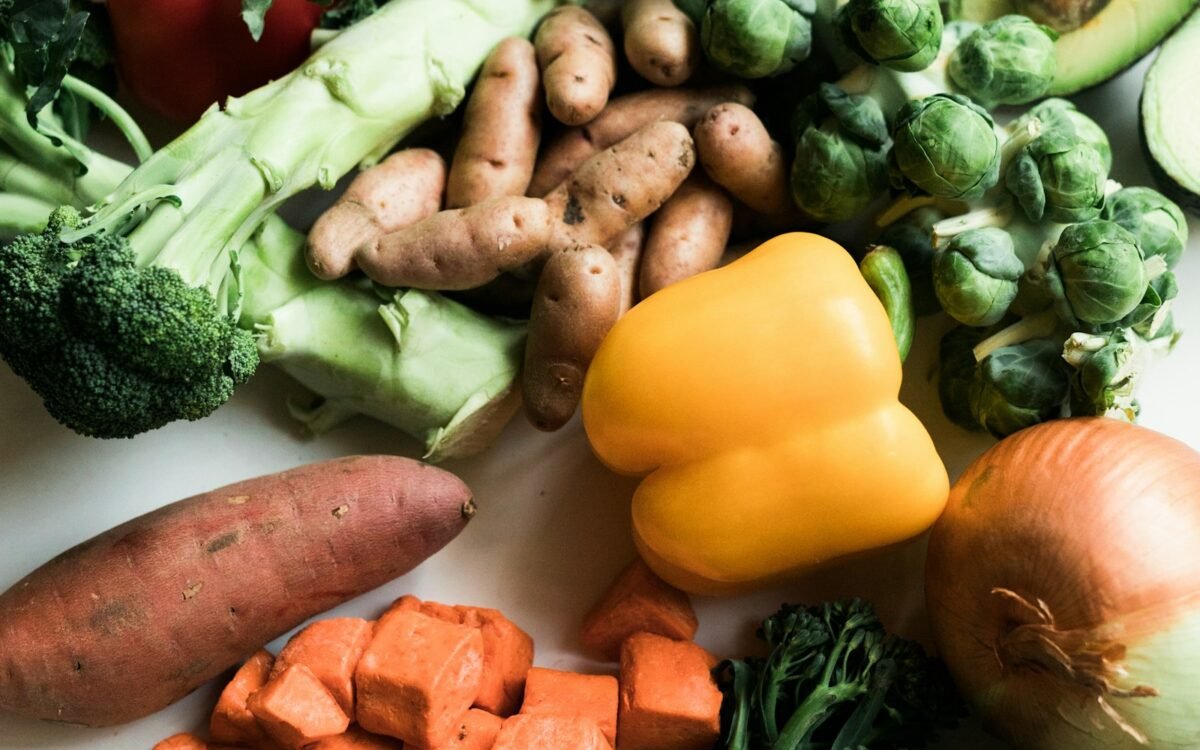
Vegetables and fruit do not need to be expensive, fresh from a farmers market or prepared from scratch. Frozen vegetables, canned tomatoes, dried or canned beans, apples, bananas and pre-cut produce can all be practical. Choose versions with less added salt or sugar when that matters to you, but do not reject a useful food because it is not the ideal version.
Change the environment rather than relying on motivation. Put fruit where you can see it, keep washed vegetables near the front of the refrigerator and store beans, oats and wholegrain staples together. Add a handful of frozen vegetables to a soup, stir-fry, pasta sauce or rice dish. Use herbs, spices, citrus, vinegar or a favourite dressing to make the food taste like lunch rather than a test of restraint.
Increase variety gradually. One extra vegetable at dinner or fruit with breakfast is a realistic start. If a food causes symptoms, do not assume you must remove an entire category forever; record what happens and ask a qualified professional for help when the pattern persists. Food-related fear and restriction deserve care too.
The most useful healthy food is the one you can afford, enjoy, prepare and eat regularly.
Keep protein and staples practical
Protein foods can be fresh, frozen, canned, dried or ready to eat. Keep a few options that match your routine: eggs for a quick meal, lentils for a batch of soup, yoghurt for breakfast, tofu for a stir-fry, canned fish if you eat it, or beans for a filling pantry meal. People who avoid animal foods can use a range of plant options and may benefit from individual guidance about meeting nutrient needs.
Pair convenience with usefulness. A wholegrain toast and nut or seed spread, a bean-filled wrap, cheese with fruit, or a microwave grain bowl with added vegetables can be reasonable choices on a busy day. Read labels for allergens and ingredients that matter to you, but do not treat one number as a complete verdict on a food. The rest of the meal and your overall pattern also count.
Cook in components if full meal preparation feels too demanding. Make a pot of grains, roast a tray of vegetables or prepare a protein, then use each in different meals. Store food promptly and follow package or local food-safety guidance. Keep a shelf-stable backup for evenings when the planned cooking does not happen. Planning for convenience is a nutrition skill, not a failure of discipline.
Let eating remain ordinary
Rigid rules can make everyday eating harder. A celebration, takeaway meal or dessert does not erase a week’s choices, and a salad does not make every meal automatically complete. Return to your usual pattern at the next meal instead of compensating with restriction or punishment. A calm approach leaves more room for social life and for learning what actually works.
Drink water when it is accessible and enjoyable, and notice how sweet drinks, alcohol or caffeine fit into your own routine. Needs vary, and a beverage choice is not a moral judgment. If you have been told to limit fluids or follow a specific plan, follow that individualized advice.
Ask for help when nutrition feels confusing, restrictive or physically difficult. Persistent digestive symptoms, unintended weight change, signs of nutrient deficiency, disordered eating concerns or a medically required diet deserve individual support. General food advice cannot diagnose a cause or replace an assessment.
Keep dependable staples, build flexible meals and make convenience part of the plan. Ordinary food choices become useful when they are repeatable, satisfying and suited to your circumstances.
Key takeaways
- Build flexible meals from a base, a protein-rich food, produce and enjoyable flavour when practical.
- Use frozen, canned, prepared and shelf-stable foods to make nourishing choices easier to repeat.
- Get individualized advice for allergies, medical conditions, persistent symptoms or eating concerns.