Strength Training After 40: A Sensible Starting Point
Starting strength training after 40 does not require a punishing program. Learn a few controlled movement patterns, use manageable resistance, progress slowly and make recovery and medical context part of the plan.

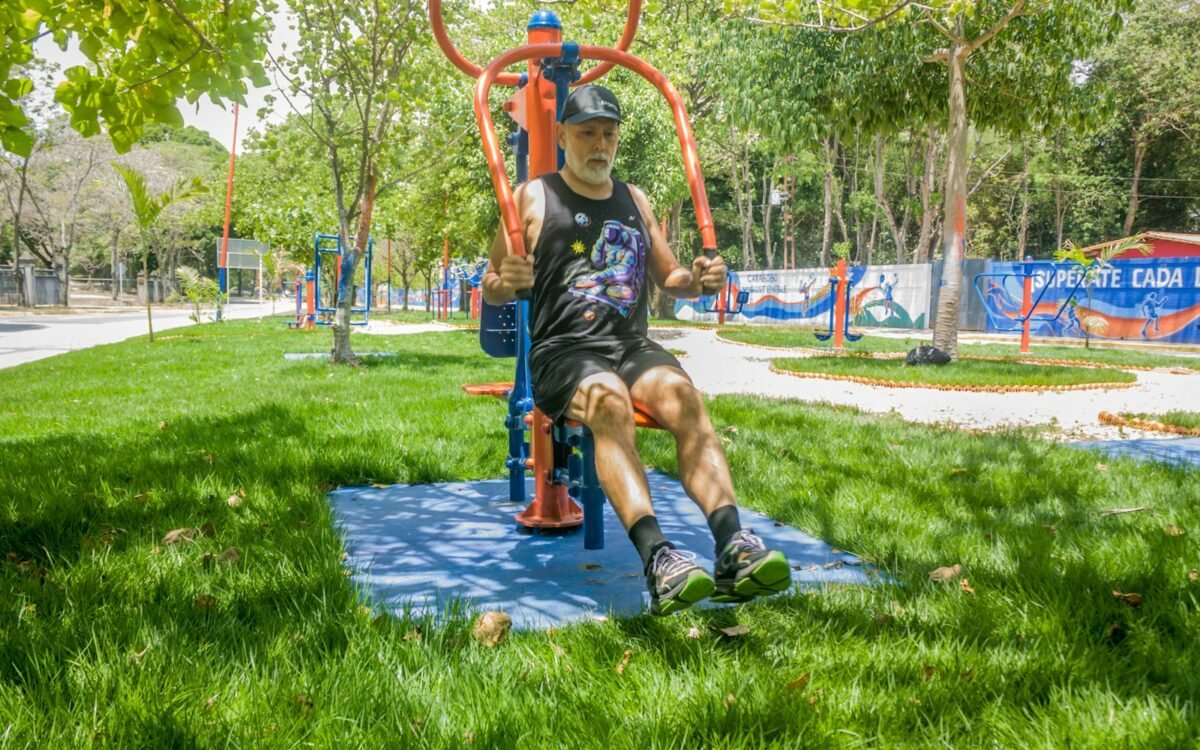
You have a pair of adjustable dumbbells, a chair and twenty minutes before dinner. That is enough to begin, provided the first goal is learning how your body responds rather than proving how much it can tolerate. Strength training after 40 can fit many lives, but it should be built around control, consistency and recovery instead of an old idea of what a workout is supposed to look like.
Age alone does not determine what you can do. Previous injuries, joint symptoms, bone health, medications, balance, recent illness and other conditions may change the safest starting point. This is general information, not an individual exercise prescription. If you have concerns about a new program, ask a clinician or qualified exercise professional for guidance before increasing demand.
Start with movements you can control
Choose a small set of patterns that cover everyday actions: sitting and standing, bending at the hips, pushing, pulling, carrying and stepping. A chair squat, a hip hinge with a light object, a wall push-up, a supported row, a suitcase carry and a low step can be starting points for some people. The exact exercises matter less than whether you can perform them with a stable setup and a range of motion that feels appropriate.
Use support without treating it as a shortcut. Hold a countertop for balance, place a bench behind you for a target or use a wall to reduce the demand of a push-up. Move slowly enough to notice your position. You do not need to make every repetition dramatic or chase soreness. A controlled range that you can repeat is more useful than a deeper or heavier version that changes your technique.
Keep the first sessions brief. One or two sets of a few movements may be enough to learn the routine, especially if you are returning after a long break. Leave room to finish feeling capable of normal daily activities. Muscle effort can be expected when a new task is introduced, but sharp, sudden or escalating pain is a signal to stop and reassess rather than push through.
Build a small, repeatable plan
Schedule two nonconsecutive sessions if that fits your week, with an optional third session only when recovery is going well. Put the equipment where you will see it, choose a consistent time and write down the movements in plain language. A plan that takes twenty minutes and happens regularly is more useful than a complex plan that requires an ideal calendar.
Warm up by rehearsing the movements with little or no resistance. Try a few comfortable sit-to-stands, shoulder movements, easy hinges or a gentle walk. The purpose is to prepare attention and movement, not to prove flexibility. Use footwear and a surface that allow you to stay stable, and keep the area clear of pets, loose rugs and other trip hazards.
Let effort be challenging but manageable. You should generally be able to maintain the planned technique and stop before exhaustion makes the movement unfamiliar. Rest between sets as needed. Breathing normally is preferable to holding your breath through a difficult repetition. If you become dizzy, unusually breathless or unwell, stop, sit or lie down safely and seek appropriate advice if the symptom is concerning or does not settle.
A sensible program leaves you stronger in practice, not defeated by the workout.
Progress one variable at a time
Once the routine feels familiar for several sessions, change one feature: add a repetition, add a small amount of resistance, perform an extra set or use a slightly more demanding variation. Keep the other features stable long enough to notice the effect. Increasing weight, volume and difficulty at the same time makes it harder to tell whether the program is helping or simply creating too much fatigue.
Use performance and recovery as evidence. Can you keep the same form? Do ordinary stairs, carrying or getting up from a chair feel manageable? Are you ready for the next session without unusual soreness or a drop in energy that lasts? These observations are more helpful than comparing your numbers with another person’s. A lighter load can be the right load when it lets you train consistently.
Do not use soreness as the definition of a successful workout. You may feel little soreness while still practicing useful strength, and severe soreness may simply mean the demand changed too quickly. When you return after illness, travel or a busy period, reduce the session and rebuild rather than trying to make up missed work.
Make recovery and safety part of training
Recovery includes sleep, food, hydration, rest days and the demands of the rest of your life. A session should fit around work, caregiving and other movement rather than competing with them. Keep an easier option available, such as one set, a supported variation or a mobility-focused day. Flexibility in the plan is a way to stay consistent during ordinary disruptions.
Get individual advice before starting or progressing if you have a known heart, breathing, neurological, bone or joint condition, recent surgery, significant balance concerns, unexplained symptoms or a history that makes exercise feel uncertain. A professional can help adapt positions, resistance and progression. Do not stop prescribed treatment or assume exercise can replace medical care.
Stop and seek prompt help for severe chest pressure, fainting, serious breathing difficulty or another sudden symptom that worries you. For recurring pain, swelling, weakness or loss of function, pause the provoking movement and arrange an assessment. The aim is not to avoid every sensation; it is to distinguish ordinary effort from a problem that deserves attention.
Start with controlled patterns, progress one demand at a time and judge the plan by repeatability. Strength training works best when it respects your current body and your real week.
Key takeaways
- Learn a few supported movement patterns with manageable resistance and controlled technique.
- Train on a repeatable schedule and increase only one variable after recovery is steady.
- Adapt the plan for health conditions or concerning symptoms with help from a qualified professional.