The Return of the Hobby: Why We Are Making Things Again
Hobbies offer a different relationship with time: progress without a professional outcome, practice without an audience and pleasure in making something by hand. A realistic way to begin is smaller than most people think.

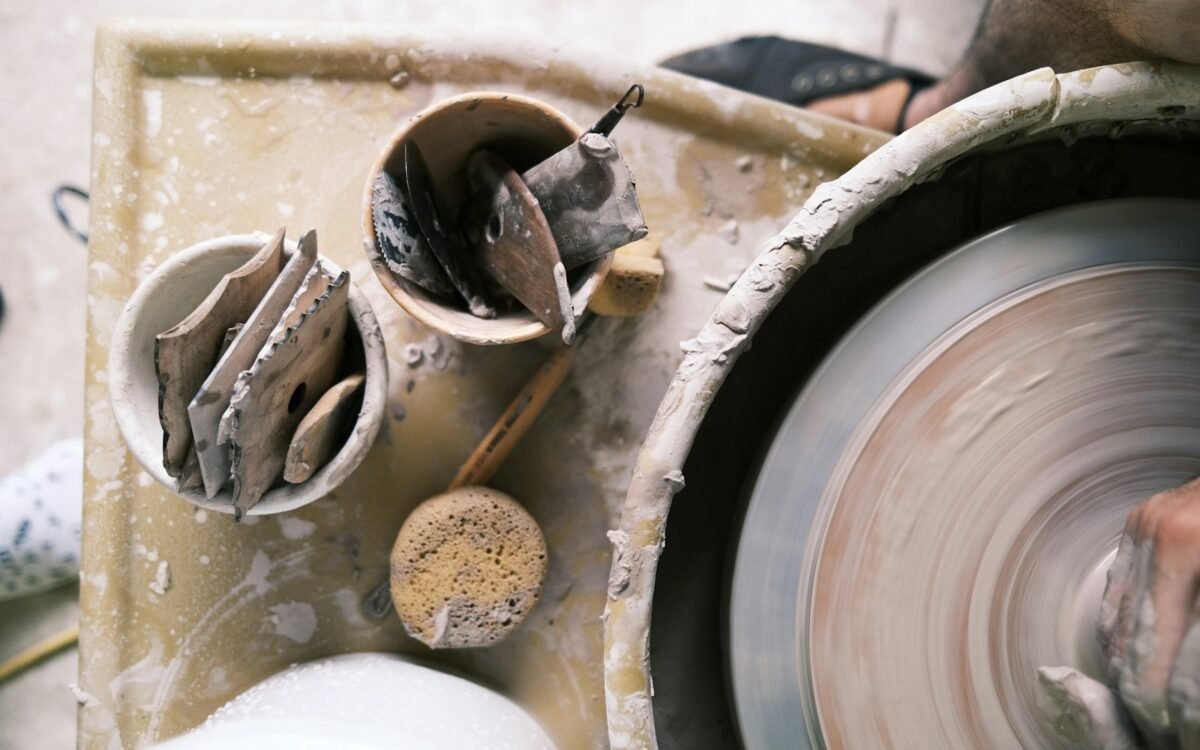
There is a half-finished model on the corner of the table, a recipe bookmarked for weeks and a set of pencils still in its packaging. The problem is not a lack of interest. The day has been full of useful tasks, and a hobby can look difficult to justify when it produces no immediate result. Yet the appeal of making things is returning precisely because it gives people a kind of time that work and scrolling rarely provide.
A hobby is not a second career, a personal brand or a test of hidden talent. It is a regular way to practise attention, learn through the hands and do something whose value is not measured only by efficiency. The return to hobbies becomes sustainable when the activity is sized for ordinary life and protected from the pressure to become impressive.
Choose an activity for the experience, not the identity
Start with the feeling you want while doing the activity. Do you want quiet repetition, problem-solving, movement, sensory pleasure, company or a visible object at the end? This question is more useful than choosing an identity such as painter, gardener or musician. It lets you try a small version without committing to a story about who you are.
Look backward for clues. What did you do before you began treating free time as something that needed to be useful? Which tasks make you lose track of the clock? Which materials, tools or subjects have drawn your attention in shops or libraries? Curiosity is enough to begin. You do not need proof that an activity will become a lifelong passion.
Choose one activity for a trial period of four sessions. Borrow equipment, use a library, take a single class or buy the smallest reasonable starter supply. A large purchase can create pressure to continue, while a small experiment gives you honest evidence about the activity itself rather than the fantasy around it.
Make the first session almost too easy
Set up a task that can be started in ten minutes. Put the sketchbook and pencil on the desk, keep the guitar on a stand or place the gardening gloves beside the pot. Decide the first action in advance: thread the needle, read two pages of instructions, mix the dough or walk to the allotment gate. Ambiguity is often the real barrier at the beginning.
Use a small container for materials so the hobby does not require a full room or a long reset. A tray, box or shelf can hold the current project and make stopping easier. If the activity is messy, define the surface that can be used and the cleanup that counts as finished. The less negotiation involved, the more likely the hobby is to survive a busy week.
Schedule a modest appointment with yourself. Twenty or thirty minutes once or twice a week is enough to establish continuity. Do not reserve the hobby only for a long empty afternoon; those afternoons are rare and easily claimed by errands. A short session is not a lesser form of participation.
Let practice be visible without becoming a performance
Making something often includes awkward early attempts. Keep a simple record of what you tried, what you learned and what you might change next time. This shifts attention from judging the result to noticing the process. A photograph, a dated page or a few lines in a notebook can show progress that is otherwise easy to miss.
Share selectively. A class, friend or local group can provide encouragement and practical advice, but public posting can also turn a private pleasure into a demand for regular output. Choose the audience that helps you return to the activity. You are allowed to make things that remain yours.
A hobby gives time a different measure: not how much it earns, but how fully you were there for it.
Learn enough technique to remove avoidable frustration, then return to making. A beginner’s guide, a safety instruction or a short demonstration can be useful. Endless preparation can become another form of postponement. Stop researching when you know the next safe, manageable action.
Protect the hobby from useful pressure
Hobbies are vulnerable to optimisation. You may begin comparing tools, tracking output, calculating the cost per item or wondering whether the activity could become a side business. Those questions are not wrong, but they belong to a different project. Keep a line between making for pleasure and making for income, especially at the start.
Expect seasons. A garden slows in winter, a shared household changes shape and energy varies. Create a minimum version for low-capacity weeks: sharpen pencils, practise one scale, water one plant or read a few pages. The point is to preserve the thread, not to maintain a perfect streak.
Make a plan for unfinished work before you stop. Leave a note describing the next action, return tools to one container and decide whether the project needs protection from dust, pets or damp. This small closing ritual prevents the next session from becoming a reconstruction exercise. It also makes it easier to pause a hobby without feeling that you have abandoned it.
At the end of the trial, ask whether you looked forward to the sessions, enjoyed the process and want to learn one more thing. If the answer is no, stop without calling it a failure. The experiment has still taught you what kind of activity fits your life. If the answer is yes, choose the next small project rather than buying every possible supply.
Make room for one activity that has no obligation to become useful. Its modesty may be exactly what makes it last.
Key takeaways
- Choose a hobby for the experience it offers and test it with a small four-session experiment.
- Keep materials visible, the first step clear and sessions short enough for ordinary weeks.
- Measure practice by attention and learning, not by output, audience or commercial potential.