How to Host Small Dinners That Feel Effortless
An easy small dinner depends on a menu with breathing room, a room prepared for conversation and a host who is not trapped in the kitchen. Plan the sequence, use good shortcuts and make the welcome the priority.

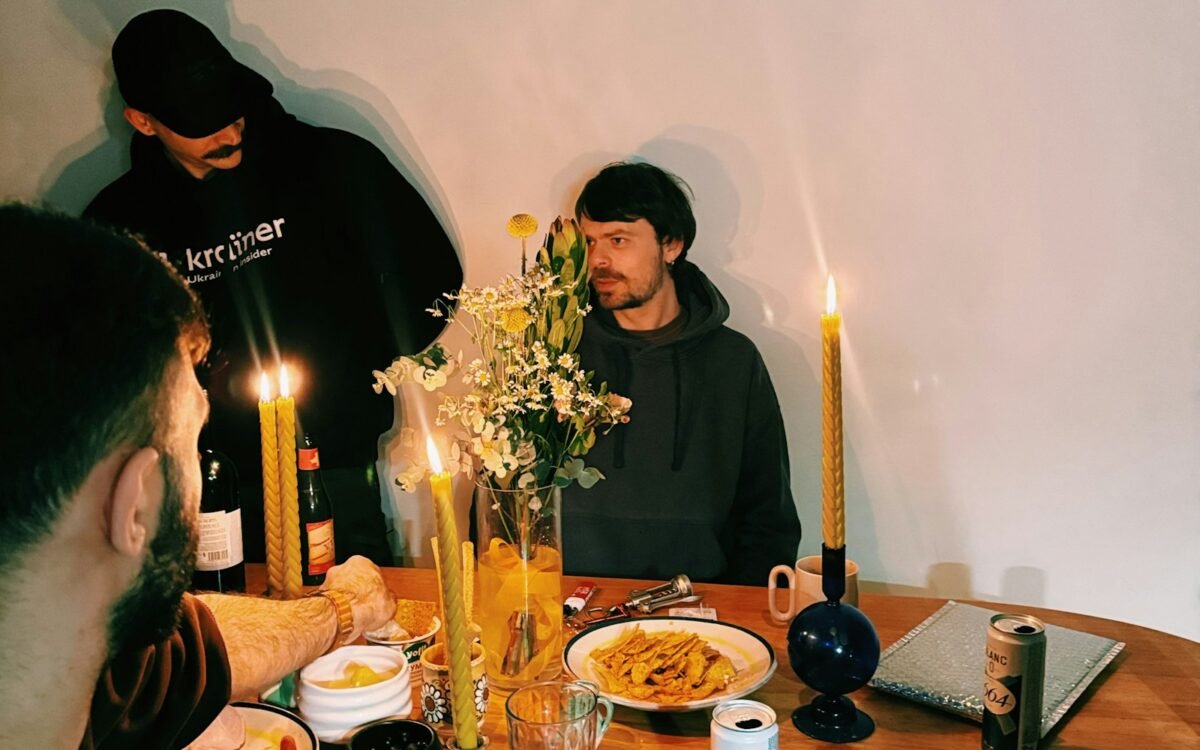
At 6:10, the table is set, the vegetables are chopped and the main dish is quietly warming. There are forty minutes before the doorbell, so you can shower, put on music and sit down with a drink before anyone arrives. This is what an effortless dinner feels like: not a perfect room, but a plan that has left the host available.
Small dinners are often more enjoyable than large gatherings because conversation can move around one table. They also expose every weak point in a plan. If all the food needs the oven at the same time, the host cannot greet anyone. If every dish is complicated, a minor delay becomes the evening’s main event. Ease comes from sequencing rather than from doing less carelessly.
Design the menu around attention
Choose one main dish, one fresh or crisp side, one filling accompaniment and a dessert that is finished before guests arrive. This is enough variety for a small table without creating four separate deadlines. Select dishes that can be held, served at room temperature or reheated without losing their texture. The final fifteen minutes should have one important cooking task at most.
Write a timing plan from the arrival time backward. Mark what can happen the day before, what can be prepared in the morning and what must wait until just before serving. Include cooling, resting and washing-up time. If a recipe has a hidden step such as making stock, tempering a sauce or assembling individual portions, account for it honestly.
Ask about dietary needs when you invite people, using clear language. Confirm serious allergies and avoid treating them as an inconvenience. A menu can be generous without offering a different elaborate dish for every person. Choose a naturally adaptable meal or make one safe component that everyone can eat.
Prepare the room for arrival
Make the first five minutes obvious. Clear a place for coats and bags, put water or a welcome drink where guests can find it and keep glasses together. If the bathroom needs anything unusual, make that easy to locate. These small signals let people settle without waiting for instructions or pulling you away from the kitchen.
Set the table earlier than feels necessary. Plates, cutlery, napkins and serving utensils can be ready while the food is still in progress. Use the dishes you have rather than creating a fragile display that needs constant attention. Leave enough space for serving bowls and keep anything that will not be used off the table.
Light and sound should support conversation. Turn on lamps before the room gets dark, lower harsh overhead lighting if possible and choose music that can sit beneath voices. A small table benefits from visual simplicity: one vase, a bowl of fruit or nothing at all can be more welcoming than decorations that compete for space.
Use shortcuts with intention
Buying part of the meal is not a failure of hospitality. Good bread, a prepared dessert, a jarred sauce or a washed salad can protect the part of the evening that matters. Spend effort where your guests will notice and where you enjoy cooking. If you love making the main course, simplify the starter. If conversation is the point, let the dessert be ready-made.
Keep serving vessels close to the food and label any dish that needs a final step. Transfer a purchased item to a bowl if that makes the table feel considered, but do not create extra work simply to hide a shortcut. Your guests are coming for the evening, not to audit the origin of every ingredient.
Hospitality begins when people feel expected, not when every dish is homemade.
Plan for the food to wait. A covered casserole, a room-temperature grain salad or a dessert chilled in advance gives you an exit from the kitchen. Keep one reliable snack available if dinner runs late, and avoid serving a complicated first course that makes everyone wait hungry while you finish the main.
Stay at the table once people arrive
Finish the tasks that require heat before the doorbell whenever possible. When guests arrive, offer a drink, show them where to put things and let the conversation begin. If someone asks how they can help, give them a clear, optional job such as pouring water or carrying plates. Do not create a second host by handing over a complicated operation.
Serve family-style when it suits the food. It reduces precise plating and gives guests a natural reason to interact. Keep a serving spoon for each dish and put sauces or condiments within reach. If you need to leave the table, say what you are doing and return without apologising for ordinary hosting work.
Accept small imperfections. A late side, a slightly uneven table or a forgotten garnish rarely harms the evening. Guests take their cue from the host. When you sit, listen and eat, the dinner feels relaxed because it is relaxed.
Plan the end as carefully as the arrival. Leave a clear place for used plates, keep a container ready for leftovers and decide which dishes can wait until morning. You do not need to restore the room immediately after the last guest leaves. A short reset that protects food and clears the table is enough; the rest can follow after the evening has finished.
Plan one menu that can wait, prepare the welcome before the cooking rush and give yourself permission to join the meal. That is enough to make a small dinner feel generous.
Key takeaways
- Build a menu with one main cooking deadline and several make-ahead or forgiving components.
- Prepare arrival details, table settings and lighting before the final kitchen work begins.
- Use deliberate shortcuts and return to the table so guests experience your presence, not your effort.