Wardrobe Basics That Outlast the Trend Cycle
Clothes that last are chosen for fit, fabric, care and the life they actually serve. These wardrobe basics create reliable outfits without requiring a strict uniform or constant attention to trends.

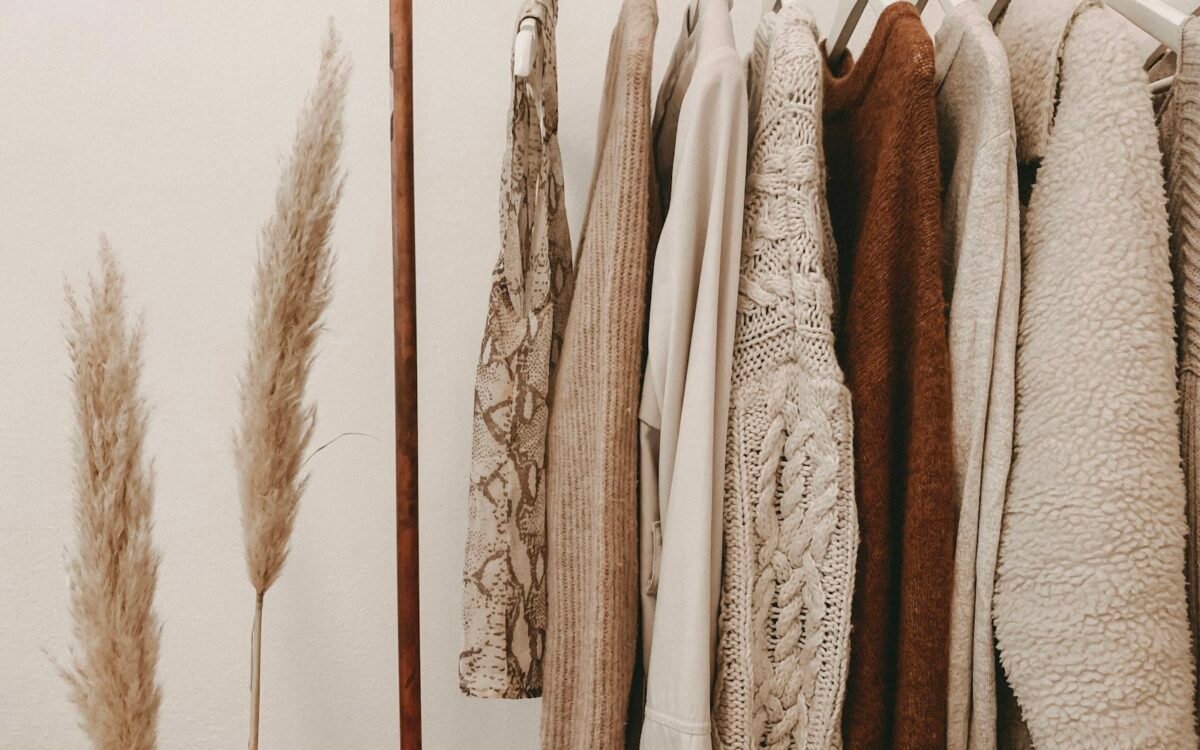
The most useful item in a wardrobe is often the one that solves an ordinary problem: a shirt that still looks good after a long day, trousers that work with the shoes you walk in or a layer that fits under the coat you wear in rain. Trend-led purchases can be enjoyable, but a wardrobe becomes dependable when its basic pieces match the weather, movement and occasions of real life.
Outlasting the trend cycle does not mean dressing plainly or buying only expensive labels. It means choosing with enough information that a garment remains useful after the original excitement fades. Fit, fabric, construction, colour, care and compatibility matter more than a season’s vocabulary.
Start with the jobs your clothes must do
List the settings that fill your week: commuting, desk work, childcare, exercise, social plans, formal occasions or time outdoors. Notice temperature, rain, walking, laundry frequency and the amount of comfort you need. These details become buying criteria. A person who cycles to work needs different basics from someone who drives to an office, even if both want a polished wardrobe.
Review the clothes you actually reach for over two weeks. Record which pieces are worn repeatedly and which outfits feel almost right. A neglected jacket may be the wrong length, a rarely worn jumper may be too warm indoors and a favourite pair of trousers may reveal the rise, fabric and shape you prefer. Your own use is better evidence than a generic checklist.
Look for outfit gaps rather than empty hangers. Five tops do not help if none work with the trousers you own. A wardrobe may need one supportive layer, comfortable shoes or a weatherproof outer piece rather than another version of what is already present.
Judge fit while you move
A garment that fits while standing still may fail when you sit, reach, climb stairs or carry a bag. Try ordinary movements when you shop or try items at home. Raise your arms, sit down, walk a few steps and check whether the fabric pulls, rides up or restricts you. A basic piece earns its place by being comfortable during the activities it is meant to support.
Pay attention to the points that are hard or expensive to alter. Shoulder seams, armholes, rise, waist placement and the relationship between a jacket’s length and your layers often determine whether an item works. Hems, sleeve length and simple waist adjustments may be more manageable, but only if the garment is worth the alteration.
Do not confuse a smaller size with a better fit. A useful fit gives you room to breathe and move without losing the intended shape. If you are between sizes, compare measurements and consider the garment’s fabric and construction rather than relying on the label alone.
Choose fabric and construction for your routine
Read the care label before buying. A piece that requires frequent specialist cleaning may not be a practical basic if you wear it weekly. Consider whether you can wash it at home, whether it dries within your laundry rhythm and whether it needs careful pressing. Care is part of the true cost of a garment.
Examine stress points: seams, hems, pocket openings, buttons and zips. Stitching should look even, and the fabric should suit the job. A light layer that will be worn under a coat needs different strength from a jacket expected to handle a commute. Natural and synthetic fibres can both be useful; performance depends on the specific fabric, construction and care.
The best basic is not the one that looks neutral on a hanger; it is the one that keeps solving a problem when you are in a hurry.
Choose a small colour relationship rather than a rigid palette. Two or three dependable neutrals can support more combinations, while one or two colours you genuinely enjoy keep the wardrobe from feeling anonymous. Check a new item against at least three pieces you already own before deciding that it is versatile.
Maintain the pieces that earn their space
Simple maintenance extends usefulness. Empty pockets, close zips before washing, follow the care label and let damp clothes dry fully before storing them. Rotate shoes so they can air, brush dirt from outerwear and repair loose buttons before they become lost. These actions take minutes when done early and more time when ignored.
Keep a small repair list and review it when you do laundry. Decide whether each item is worth repairing based on how often you wear it, the cost and effort involved and whether the repair restores a real outfit. Sentiment can be part of the decision, but do not let a damaged item occupy the place of a functional basic without acknowledging the trade-off.
When a piece leaves, note the reason. Too warm, poor fit, difficult care and lack of compatible outfits are useful information for future purchases. A wardrobe that outlasts trends is built through this feedback loop, not through one perfect shopping trip.
Use a seasonal check-in to prevent small gaps from becoming rushed purchases. Before cold or wet weather arrives, try on outer layers over the clothes you normally wear and check the condition of shoes, fastenings and hems. Before buying anything, make a short list of repairs and combinations you can already create. Waiting a week after identifying a gap often separates a genuine need from the excitement of a new option.
Choose fewer basics only after you understand the work they need to do. Durability begins with attention to your actual days.
Key takeaways
- Audit the settings, weather and movement your clothes must support before buying.
- Test fit in motion and evaluate fabric, construction and care as part of the purchase.
- Use outfit compatibility and repair history to improve future wardrobe decisions.