Five Trends Defining the Way We Live and Work This Autumn
Autumn is making everyday priorities easier to see: people are protecting time, spending more deliberately, adapting work around real life, and looking for useful connection close to home.


At 7:40 on the first properly cold morning of autumn, a household can reveal more about the season than a trend report does. Someone checks a work calendar before leaving the kitchen, someone else compares the cost of a planned purchase with a repair, and a local cafe fills with people who need warmth, a reliable connection, or both. The season brings familiar routines, but it also makes choices about time, money, place, and attention more visible.
No single change defines the months ahead. People live under different financial pressures, work arrangements, family responsibilities, and access needs. The useful way to read current trends is therefore not to declare a universal mood, but to notice recurring questions. What is worth paying for? Which routines can be made lighter? Where does a person want to spend their limited attention? And which forms of flexibility actually improve daily life?
Value is being judged after the purchase
A price tag is only the beginning of a household decision. The real calculation may include delivery, maintenance, renewal dates, energy use, travel time, return effort, and the cost of replacing an item that cannot be repaired. Autumn purchases make this visible because seasonal clothing, heating, equipment, and social plans arrive close together.
This does not mean everyone is choosing the cheapest option. A lower price can be poor value if an item fails quickly, creates extra work, or cannot meet the user’s needs. A more durable choice may be sensible when it is affordable and maintainable. The broader shift is toward asking what a purchase will demand over its useful life, rather than treating the checkout total as the whole story.
Businesses can respond without pretending to know every customer’s budget. Clear product information, repair guidance, flexible quantities, transparent fees, and honest delivery windows help people make their own comparisons. A thoughtful offer reduces uncertainty; it does not need to create urgency where none exists.
Flexible work is becoming a life-design problem
Work flexibility is often described as a location choice, but autumn routines expose its wider consequences. A person may work from home on some days, travel to a shared workplace on others, and coordinate care or appointments around both. The challenge is not simply finding a desk. It is building transitions so that work can start, pause, and finish without occupying every room and conversation.
That is why small boundaries matter. A bag packed the night before, a calendar that shows travel time, a room that can be reset, or an agreement about when messages are answered can protect energy more effectively than a new productivity system. These arrangements are not identical across roles. A shop worker, a nurse, a freelancer, and an office employee have different forms of control, so a good workplace policy should offer choice without treating flexibility as a privilege that needs to be performed.
Managers also have a practical test available: judge work by clear outcomes and dependable collaboration rather than visible busyness. That requires good handovers, accessible information, and a shared understanding of urgency. Without those basics, flexibility merely moves confusion from the office into the home.
Near-home connection is gaining practical importance
Shorter journeys can offer more than convenience. A library, market, sports hall, community class, cafe, or independent shop can become a place where people encounter neighbours without having to organise a major event. This is not proof that everyone is returning to local life in the same way. It is a reminder that repeated, low-effort contact can be valuable when schedules are crowded.
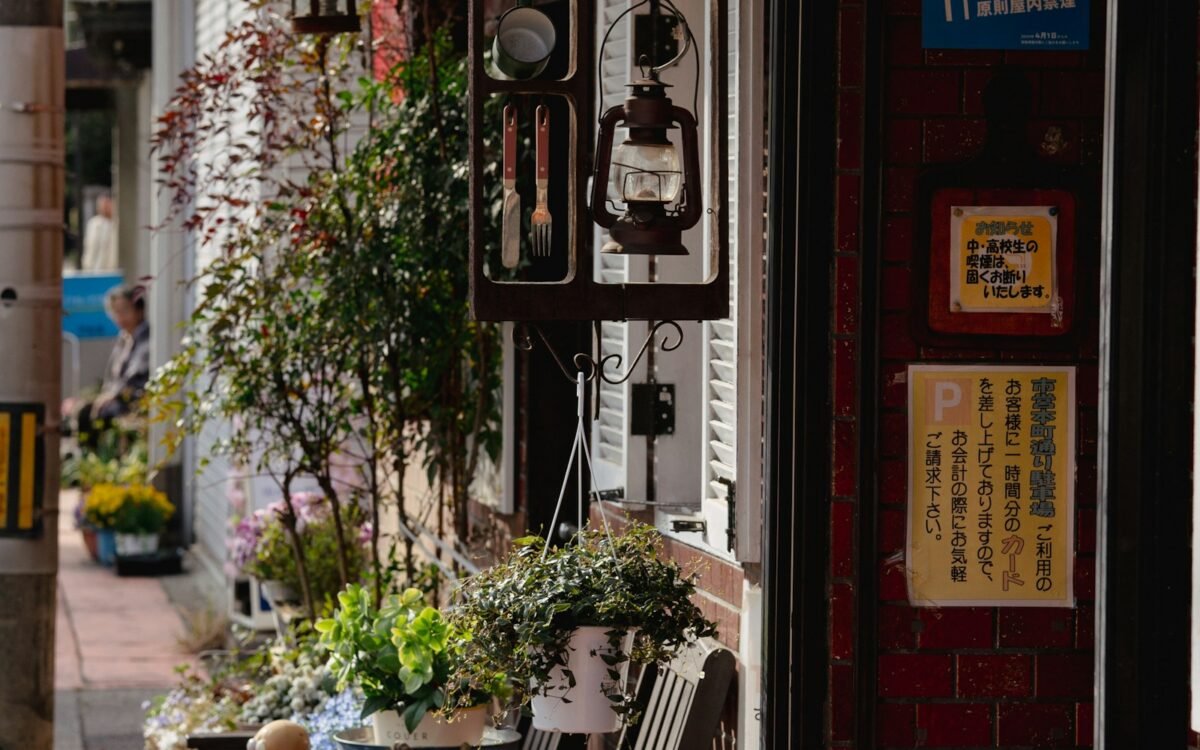
Autumn supports this pattern because ordinary places become useful destinations again. A walk can include an errand, a conversation, and a change of scene. A local business may provide expertise that is harder to find through a search box. The strongest places are not merely picturesque; they are accessible, welcoming, fairly priced where possible, and able to serve people with different mobility, language, and sensory needs.
Local connection also needs realism. A neighbourhood cannot replace every service, and small businesses cannot be expected to carry the entire burden of community life. Still, choosing one nearby place regularly can strengthen the relationships and practical knowledge that make a place feel usable rather than anonymous.
Attention is being treated as a household resource
Autumn calendars fill quickly. Notifications, school messages, sales, work requests, and social plans compete with the quiet work of recovering from a demanding day. The result is not always dramatic distraction. It can be the smaller loss of patience that makes a meal feel rushed, a decision feel harder, or a conversation feel interrupted.
People are experimenting with modest protections: fewer alerts, single-tasking during important work, device-free meals, visible do-not-disturb periods, and a weekly review of recurring commitments. None is a universal cure. The point is to make attention available for chosen activities instead of allowing every system to claim it by default.
Good autumn routines do not fill every hour; they make the important hours easier to recognise.
Adaptation is becoming more useful than reinvention
The fifth trend is a preference for changes that can be tested and adjusted. A household may move a work surface before renovating, try a smaller subscription before committing, or visit a nearby event before planning a long trip. A business may pilot a new opening hour or service format rather than announcing a permanent transformation.
This approach respects uncertainty. It lets people learn from use rather than from a promise, and it makes it easier to stop when a change creates more work than value. The best experiment has a clear purpose, a modest cost, and a moment when someone will review the result.
Autumn therefore looks less like a season of sweeping reinvention than a season of practical editing. People are trimming friction, protecting attention, and choosing arrangements that fit the lives they actually have. That is a quiet trend, but a durable one.
The season works best when its changes remain usable after the novelty fades. Start with one routine, one place, or one purchase that deserves a closer look, then keep what genuinely helps.
Key takeaways
- Households are judging value by total effort, durability, and control rather than price alone.
- Flexible work depends on boundaries, clear outcomes, and practical transitions, not location by itself.
- Small local choices and attention safeguards can create connection and recovery without demanding a complete lifestyle reset.