A Beginner’s Guide to Building an Emergency Fund That Lasts
Build an emergency fund around the risks a household actually faces, with accessible savings, realistic contributions, and a plan for using and rebuilding the reserve.

The car will not start on a Monday morning, a contract will end early, or a water heater will fail at the least convenient time. These events are ordinary examples of why an emergency fund matters: they create a bill before there is time to rearrange a budget. A cash reserve cannot prevent the problem, but it can reduce the need to use expensive credit or make a rushed decision.
There is no single emergency-fund number that fits everyone. Income stability, housing costs, dependants, health, insurance, transport, debt, and access to other support all affect the size and location of a sensible reserve. This article offers general educational information, not personalized financial advice. Consider local rules, account protections, tax treatment, and regulated or nonprofit guidance before making a significant decision.
Give the fund a clear job
Start by defining what the money is for. A genuine emergency is usually necessary, unplanned, and time-sensitive. Urgent repairs, essential travel, a gap between jobs, or a required medical or household cost may qualify. A holiday, annual insurance bill, or planned replacement may be important, but it belongs in a separate savings category when it can be anticipated.
This boundary is practical rather than moral. If every attractive purchase is treated as an emergency, the reserve will be drained and unavailable for a more serious event. Write a short list of the costs the fund is meant to cover and keep it somewhere visible. The list can be revised as circumstances change.
Also identify which expenses continue if income stops. Housing, utilities, basic food, transport, insurance, minimum debt payments, and essential healthcare may need protection. A review of sick pay, insurance, workplace benefits, and other safeguards can show whether the cash reserve needs to carry the entire burden or only part of it.
Choose a target based on risk
A target should be built from essential spending and the time it might take to recover from a disruption, not copied from a slogan. A household with two stable incomes and low fixed costs may face a different cash need from a freelancer, a single-income family, or someone whose work requires a vehicle. Fixed commitments matter because they cannot be reduced quickly when income changes.
Use stages if the final target feels distant. An initial reserve can handle a modest repair or urgent journey. The next stage can provide more time during an income interruption. A larger reserve may be appropriate when the household has volatile income, limited insurance, high replacement costs, or dependants. The stages are planning tools, not guarantees of safety.
Calculate essentials honestly. Include the bills that protect housing, health, work, and basic living. Do not make the target look comfortable by leaving out a recurring obligation that would still exist during a difficult month. At the same time, separate flexible spending and planned savings so the emergency balance is not asked to fund every irregular cost.
The value of an emergency fund is not mainly the interest it earns; it is the time and choice it creates when circumstances change.
Make saving automatic but sustainable
Choose a contribution that fits an ordinary month. A small transfer made consistently is more useful than an ambitious amount that must be reversed after the next bill. Set up an automatic transfer after income arrives when the account balance and payment dates make that safe. Check the arrangement whenever income, rent, debt, or household responsibilities change.
Use windfalls carefully. A refund, bonus, gift, or sale can accelerate the reserve, but it should not be counted as a permanent source of monthly funding. If the household has no margin after essentials and required debt payments, the priority may be to address the shortfall, seek support, or adjust fixed costs rather than force a savings target that creates new borrowing.
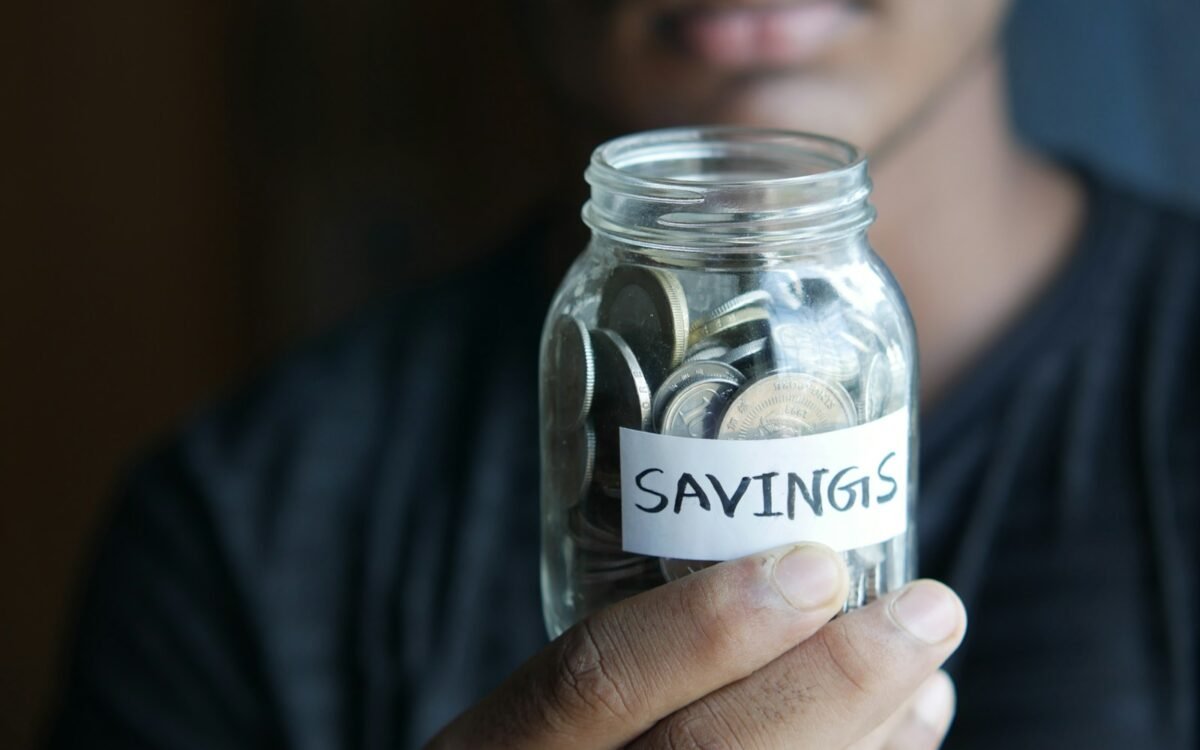
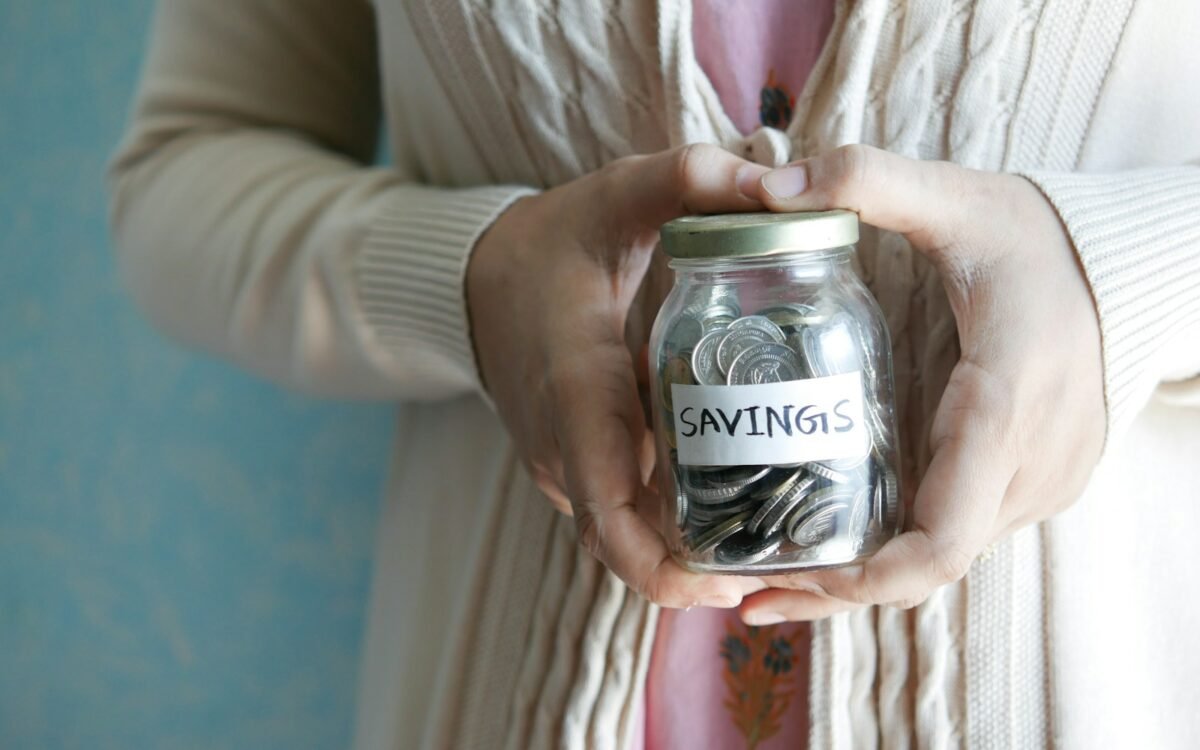
Keep the fund separate from daily spending and label it clearly. A low-risk, accessible savings account may suit many emergency reserves. Compare withdrawal rules, charges, interest, deposit protection, and the institution’s reliability in the relevant jurisdiction. Money needed tomorrow generally should not depend on selling a volatile investment or waiting through a notice period.
Use the reserve without shame
When a real emergency occurs, use the fund for the problem it was designed to handle. Confirm the immediate cost, the minimum amount needed, and whether insurance, a warranty, or a safe payment arrangement applies. Do not delay urgent action involving health, safety, housing, or essential work merely to preserve a balance on paper.
After withdrawing, record what happened. Was the event genuinely unexpected? Could a separate sinking fund cover a similar cost next time? Was the target too small because essential spending was underestimated? These questions turn an unpleasant event into useful information without treating the withdrawal as a personal failure.
Rebuild in stages. Resume a manageable automatic transfer, direct suitable one-off money to the account, and avoid replacing the reserve with high-cost borrowing unless no safer option exists and the full terms are understood. If a disruption has created missed payments or basic needs are at risk, contact reputable debt, benefits, housing, or financial-support services promptly.
Review the emergency fund after a job change, move, new dependant, major debt, health change, or insurance change. A durable reserve is not a perfect number kept untouched forever. It is an accessible layer of protection that is sized thoughtfully, used for its purpose, and rebuilt as life changes. Rechecking the target each year helps it keep pace with real obligations.
Key takeaways
- Define the emergencies the fund must cover.
- Set a realistic target from essential costs and risk.
- Keep the reserve accessible and rebuild it after use.