Understanding Digital Payments Beyond the Tap-to-Pay Habit
Digital payments are a chain of accounts, devices, networks, and protections. Understanding that chain helps users manage convenience, privacy, disputes, and access.

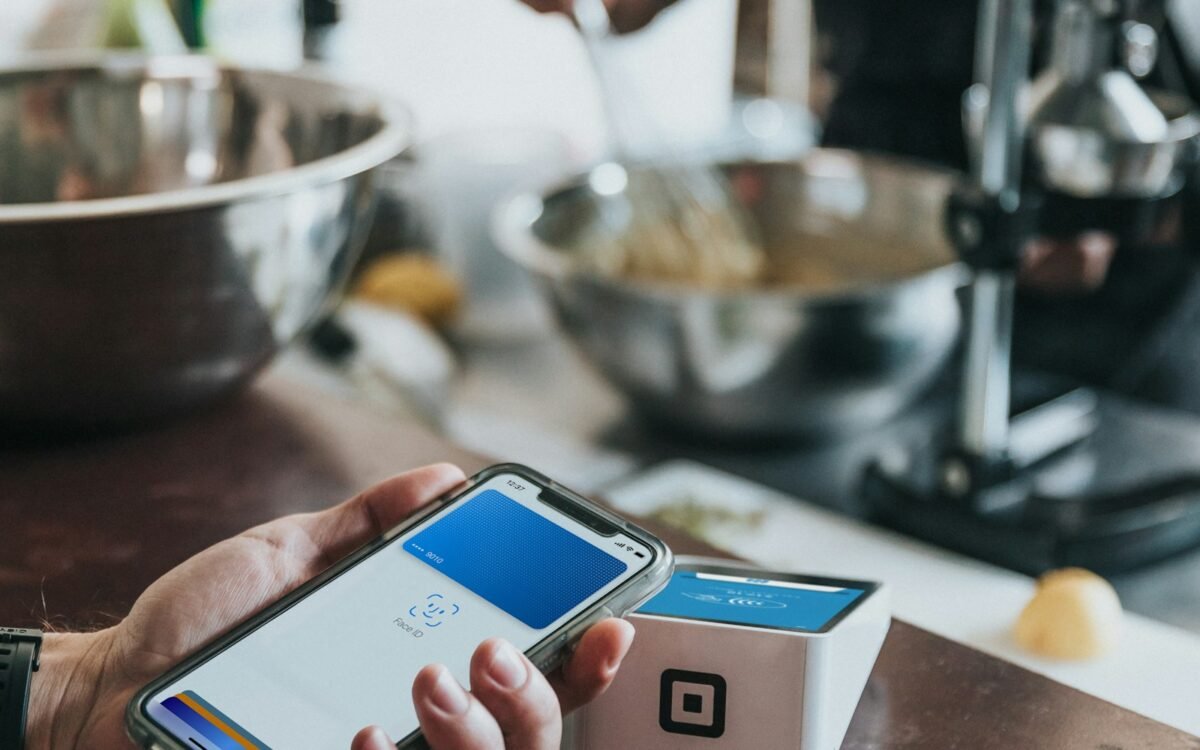
A tap at a checkout can feel like a single action, but a digital payment travels through several systems. A card, phone wallet, bank account, merchant, payment network, fraud system, and settlement process may all be involved before money reaches the seller. Knowing the basic chain makes it easier to spot trade-offs and respond when a payment is declined, duplicated, reversed, or disputed.
Digital payments are convenient, but they are not automatically safer, private, or available in every situation. This is general educational information, not legal, banking, or cybersecurity advice. Protections and dispute rights vary by country, account type, transaction method, and provider. Read the terms for the services you use and contact the official provider when a payment problem occurs.
Follow the payment from tap to settlement
When a card or phone is presented, the merchant sends an authorization request through an acquiring bank and payment network to the issuer or account provider. The issuer checks available funds or credit, account status, security signals, and transaction rules. An approval usually means the transaction is authorized, not that final settlement has already occurred.
Later, the transaction is cleared and settled. The merchant may receive funds after processing costs, while the customer’s account may show a pending amount before it becomes final. Hotels, fuel stations, car rentals, subscriptions, tips, and foreign-currency purchases can create holds, adjustments, or delayed final amounts. The same purchase may therefore appear differently in an app over several days.
A digital wallet often substitutes a token for the physical card number and uses a device credential or biometric step. Tokenization can reduce exposure of the underlying number, but it does not remove the need to protect the phone, wallet account, email, and recovery methods. A payment app is an access layer, not a magic shield.
The tap is only the visible moment; the real payment experience depends on the accounts, rules, security checks, and dispute process behind it.
Separate convenience from control
Digital payments make recurring bills, peer-to-peer transfers, online purchases, and small daily transactions easy. That ease can reduce the friction that normally prompts a person to check a balance or reconsider a purchase. Notifications, spending limits, and a regular account review can restore some of that visibility.
Know which account funds each wallet and subscription. A card may be replaced while a recurring merchant continues using an account token or updated card details. Review active subscriptions, connected apps, authorized devices, and automatic transfers. Remove access that is no longer needed rather than assuming an old permission will disappear on its own.
Keep a backup payment method and some lawful access to cash where practical. A phone battery, network outage, account lock, merchant limitation, or lost device can interrupt a digital-only routine. A backup does not mean carrying unnecessary risk; it means avoiding dependence on a single device or provider for every essential purchase.
Protect the account and the device
Use a strong, unique passcode on the phone and a separate password for the main account. Turn on multi-factor authentication where available, install updates, and use the device’s security and remote-lock features. Do not share one-time codes, approve an unfamiliar login, or hand a device to someone who says they need to fix a payment problem.
Scammers often create urgency around refunds, delivery fees, account suspension, or unusual transactions. Contact a bank, wallet, or merchant through an app or website you open yourself rather than a link in an unexpected message. A real support representative should not need a password, full security code, or one-time authentication code to move money from an account.
Check alerts and statements promptly. Small unfamiliar transactions can be a sign that account details are being tested. Freeze or block a card through the official app if that option is available, contact the provider, and follow the required fraud-reporting steps. Keep records of dates, messages, receipts, and case numbers.
Understand disputes, privacy, and access
A card purchase, bank transfer, direct debit, wallet payment, and cash withdrawal may have different cancellation and dispute procedures. Start with the merchant when the issue is a delivery, return, or service problem, and contact the payment provider when the transaction is unauthorized or the merchant cannot resolve it. Observe time limits and do not assume a pending transaction can be disputed in the same way as a completed one.
Privacy is another trade-off. Payment providers and merchants may collect transaction, device, location, loyalty, and behavioral data. Read privacy settings and consider which permissions are necessary. Do not confuse tokenization with anonymity. A transaction can be protected from exposing a card number while still being recorded and analyzed by several parties.
It is also worth asking whether a payment method fits the purchase. A credit card may offer a different dispute route from a bank transfer, while a direct debit may follow different cancellation rules. That does not make one method universally best. Knowing the protections and timing before paying can matter more than choosing the fastest button. Check those rules before sending a large or time-sensitive payment. A few minutes of checking can preserve options later.
Finally, understand access risk. A frozen account, forgotten credentials, lost phone, closed service, or weak internet connection can make money temporarily unavailable. Keep recovery details current and know the official route for support. Digital payments work best when convenience is paired with visibility, security habits, backup access, and a clear plan for disputes.
Key takeaways
- Understand the accounts, networks, holds, and settlement behind a payment.
- Protect devices, credentials, connected services, and backup access.
- Review transactions quickly and learn the correct dispute route.